“
我不在乎别人怎么看我,我只在乎我怎么看市场。
I do not care what others think of me; I only care about how I see the market.
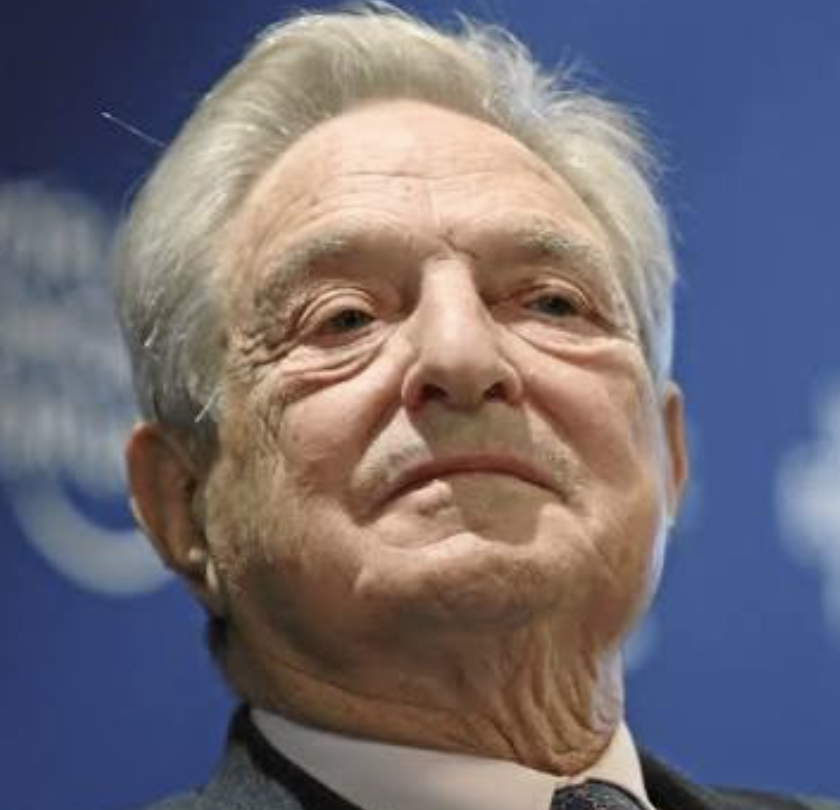
📖出自《索罗斯谈索罗斯》(1995)
我不在乎别人怎么看我,我只在乎我怎么看市场。
I do not care what others think of me; I only care about how I see the market.
这句话究竟在说什么
乔治·索罗斯用一句话点破:在趋势自我强化时顺势,在拐点前离场。结合“我不在乎别人怎么看我,我只在乎我怎么…”,这正是他“反身性与试错”的落地——市场由参与者偏见驱动,价格与基本面相互反射,趋势自我强化至反转。
给普通投资者的可执行清单
一个真实故事 / 场景化情节
回到“我不在乎别人怎么看我,我只在乎我怎么…”——提出反身性理论:投资者的偏见会改变市场本身。这提醒我们,真正重要的不是预测对错,而是为自己的判断留出余地。
这句话在该大师思想体系里的位置
在乔治·索罗斯的体系里,这句话属于“反身性与试错”:不恋战,认错比证明自己对更重要。
在投资中,最重要的品质是耐心和理性。
In investing, the most important qualities are patience and rationality.

把投资当成一门生意来做,而不是当成一场赌博。
Investment is most intelligent when it is most businesslike.
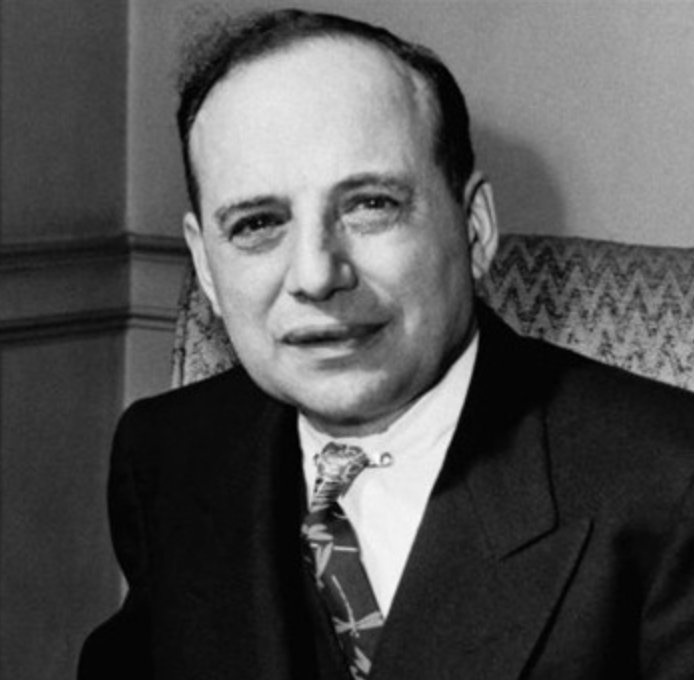
把问题反过来想,总是反过来想。如果你想知道怎样才能过上悲惨的一生,那很简单:嫉妒、怨恨、不靠谱。
Invert, always invert: If you want to know how to live a miserable life, it's easy — be envious, resentful, and unreliable.

钱多并不是幸福的根本原因——看看那些因钱而崩溃的家庭。
Money itself is not the root of happiness; look at families broken by money.