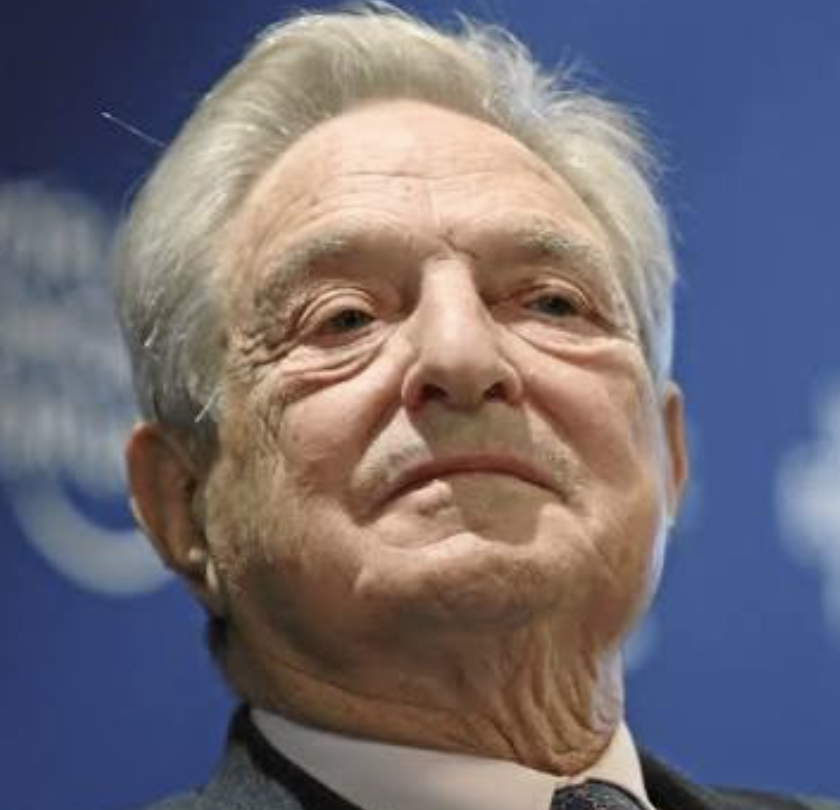
乔治·索罗斯
George Soros量子基金创始人,以宏观对冲策略闻名。提出「反身性理论」,认为市场参与者的认知会影响市场本身。1992年做空英镑获利10亿美元,被称为「打败英格兰银行的人」。
经典名言
共 287 条名言
重要的不是你做对或做错了,而是你做对时赚了多少,做错时亏了多少。
It's not whether you're right or wrong that's important, but how much money you make when you're right and how much you lose when you're wrong.
重要的不是你做对或做错了,而是你做对时赚了多少,做错时亏了多少。
It's not whether you're right or wrong that's important, but how much money you make when you're right and how much you lose when you're wrong.
我比别人更会赚钱,是因为我更快地承认自己的错误。
I'm only rich because I know when I'm wrong… I basically have survived by recognizing my mistakes
世界经济史是一部基于假象和谎言的连续剧。
The history of economic is a never-ending series of episodes based on falsehoods and lies.
市场永远处于不确定和波动之中,通过押注出乎意料的事物来赚钱。
Markets are constantly in a state of uncertainty and flux, and money is made by discounting the obvious and betting on the unexpected.
重要的不是你对或错,而是你对的时候赚了多少钱,错的时候亏了多少钱。
It's not whether you're right or wrong, but how much money you make when you're right and how much you lose when you're wrong.
我之所以富有,只是因为我懂得自己什么时候错了。
I'm only rich because I know when I'm wrong.
情况越糟糕,扭转局势所需的努力就越少,而反弹空间反而越大。
The worse a situation becomes, the less it takes to turn it around, and the bigger the upside.
市场永远处于不确定和变化之中,赚钱靠的是忽略显而易见的东西,押注意想不到的变化。
Markets are constantly in a state of uncertainty and flux, and money is made by discounting the obvious and betting on the unexpected.
经济史是一部永远不会重复的剧本,但其中的韵脚总是似曾相识。
Economic history is a never-ending story of self-deception that takes a different form each time.
反身性意味着市场参与者的偏见可以改变市场本身的基本面,这正是均衡理论无法解释的现象。
Reflexivity means that participants' biased views can change the fundamentals of the market itself.
金融市场永远在寻找均衡,却永远也达不到均衡。
Financial markets are always seeking equilibrium but never reaching it.
泡沫并不是凭空产生的,它们源于一些真实的趋势,只是这些趋势被无限放大了。
Bubbles don't grow out of thin air — they have a solid basis in reality, but reality as distorted by a misconception.
投资中最致命的不是犯错本身,而是用一个错误去掩盖另一个错误。
The worst thing in investing is not making a mistake, but covering up one mistake with another.
在投资中,重要的不是市场会怎么走,而是大多数人认为市场会怎么走。
In investing, what matters is not how the market will move, but how most people think the market will move.
重要的不是你对还是错,而是当你正确时你赚了多少,当你错误时你亏了多少。
It's not whether you're right or wrong that's important, but how much money you make when you're right and how much you lose when you're wrong.
市场总是错的,它们总是沉浸于某种偏见或误解之中。
Market prices are always wrong. They always reflect a bias or misunderstanding of the participants.
我富有仅仅是因为我知道自己什么时候犯了错。我生存下来的关键是认清自己的错误。
I'm rich only because I know when I'm wrong. The key to my survival is recognizing my own mistakes.
一旦反身性过程被启动,偏见和趋势就会互相强化,直到被现实打断。
Once a reflexive process is initiated, bias and trend reinforce each other until interrupted by reality.
我们可能对未来的方向有判断,但永远无法确定那个方向何时会到来。
We may have a judgment about the future direction, but we can never be sure when that direction will arrive.
我之所以富有,是因为我知道自己什么时候错了。生存的关键在于承认错误并及时修正。
I'm only rich because I know when I'm wrong. The key to survival is recognizing when you are wrong and acting quickly.
市场总是错的,它的趋势在自我强化中走向极端,最终必然反转。
Market prices are always wrong in the sense that they tend to overshoot and then reverse.
反身性是理解金融市场的关键——投资者的偏见会影响市场,市场的走势又会强化偏见。
Reflexivity is the key to understanding financial markets — investor bias affects the market, and market movements reinforce bias.
重要的不是你对还是错,而是你对的时候赚了多少,错的时候亏了多少。
It's not whether you're right or wrong that's important, but how much money you make when you're right and how much you lose when you're wrong.
市场参与者的认知是不完美的,这种不完美正是市场波动和趋势转折的根源。
The perceptions of market participants are inherently flawed, and these flaws are the source of market fluctuations and trend reversals.
我之所以富有,是因为我知道自己什么时候错了。我基本上靠意识到自己的错误而活下来。
I'm rich because I know when I'm wrong. I basically survive by recognizing my mistakes.
市场总是错的。趋势一旦确立,就会自我强化,直到走向极端,最终反转。
Markets are always wrong. Once a trend is established, it tends to reinforce itself until it goes to extremes and finally reverses.
正确并不重要,重要的是你正确时赚了多少、错误时亏了多少。
It's not whether you're right or wrong that's important, but how much money you make when you're right and how much you lose when you're wrong.
活着才是最重要的。生存是投资的第一原则,赚钱是第二原则。
Survival is the most important thing. Staying alive is the first principle of investing; making money is the second.
反射理论告诉我们,我们的偏见会影响市场走势,而市场走势又会强化我们的偏见,形成一个自我反馈循环。
Reflexivity tells us that our biases affect market trends, and market trends reinforce our biases, forming a self-reinforcing feedback loop.
我之所以能赚钱,不是因为我更聪明,而是因为我比别人更早意识到自己错了。
I make money not because I'm smarter, but because I recognize my mistakes earlier than others.
历史不会简单地重复,但人性会——投资中最可靠的规律就是人会一再犯同样的错误。
History doesn't repeat itself, but human nature does. The most reliable pattern in investing is that people make the same mistakes over and over.
市场就像一个巨大的实验室,所有人都在里面做实验,但没有人知道实验的结果——因为实验者本身就在改变结果。
The market is a giant laboratory where everyone is experimenting, but no one knows the outcome — because the experimenters themselves are changing the results.
成功的投资不是靠预测未来,而是靠识别当下的错误定价——当市场因为恐惧或贪婪而偏离理性时,就是你的机会。
Successful investing is not about predicting the future, but identifying mispricing in the present — when fear or greed pushes the market away from rationality.
如果你的投资让你晚上睡不着觉,那就卖掉一部分,直到你能安然入睡为止。活着比赚更多钱重要。
If your investments keep you up at night, sell enough so you can sleep well. Survival is more important than making more money.
我之所以富有,只是因为我比别人更早知道自己的错误。
I'm only rich because I know when I'm wrong.
市场总是错的。
Markets are always wrong.
情况越糟糕,扭转局面所需的努力就越少,上行空间就越大。
如果我做一笔交易,必须先有一个假设,然后市场会告诉我这个假设是对是错。
在投资中,生存下来是第一要务。只有活着,你才能从错误中学习。
我之所以富有,只是因为我知道自己什么时候错了。
I'm only rich because I know when I'm wrong.
重要的不是你对或错,而是你对的时候赚多少,错的时候亏多少。
It's not whether you're right or wrong that's important, but how much money you make when you're right and how much you lose when you're wrong.
一旦我们意识到认知的不完美是人类处境的组成部分,犯错就不再那么羞耻,不改正错误才是。
Once we realize that imperfect understanding is the human condition, there is no shame in being wrong, only in failing to correct our mistakes.
投资中最具破坏性的情感不是恐惧,而是对错失机会的焦虑。
The most destructive emotion in investing is not fear, but the anxiety of missing out on opportunities.
泡沫通常不是从外部被人捅破的,而是从内部因为自身逻辑崩溃而塌陷的。
Bubbles don't burst from the outside. They collapse from within when the narrative sustaining them breaks down.
不确定性越大,潜在的回报就越大——前提是你比其他人更早看清了不确定性的走向。
The greater the uncertainty, the greater the potential reward — but only if you see the direction of that uncertainty before others do.
金融市场绝不是教科书上描述的那种均衡系统,它是一个永远处于非均衡状态的复杂自适应系统。
Financial markets are not the equilibrium systems described in textbooks. They are complex adaptive systems, always in a state of disequilibrium.
趋势是你的朋友,直到它拐弯的那一秒钟。追随趋势赚钱容易,难的是在趋势结束前离场。
The trend is your friend until the end when it bends. Making money by following the trend is easy; the hard part is getting out before it reverses.
我总是在寻找自我强化的过程——当价格上升吸引了更多买家,而更多买家又推动了价格上升。这就是趋势的本质。
I'm always looking for self-reinforcing processes — where rising prices attract more buyers, and more buyers push prices higher. That is the essence of trends.
市场永远处于不确定和波动之中,通过押注出乎意料的事物来赚钱。
Markets are constantly in a state of uncertainty and flux, and money is made by discounting the obvious and betting on the unexpected.
我有幸在正确的时候出现在正确的地方,这让我赚了很多钱。
I was lucky to be in the right place at the right time, which allowed me to make a lot of money.
当你对一笔交易有疑虑时,那往往是最危险的交易。
When you have doubts about a trade, that is often the most dangerous trade.
我不认为自己是一个投资者,我是一个试图发现市场错误定价的人。
I do not think of myself as an investor; I am someone trying to discover market mispricing.
在交易中,最重要的是知道什么时候退出。
In trading, the most important thing is knowing when to exit.
我的成功来自于对错误的快速承认和纠正。
My success comes from quickly acknowledging and correcting mistakes.
市场总是错误的,因为参与者的认知是有偏见的。
Markets are always wrong because participants perceptions are biased.
趋势是你的朋友,除非趋势反转。
The trend is your friend until the trend reverses.
我寻找的是极端的失衡,而不是小幅的偏差。
I look for extreme disequilibrium, not small deviations.
最好的交易往往是那些让你感到不舒服的交易。
The best trades are often those that make you feel uncomfortable.
当你发现趋势正在形成时,不要过早地逆势而行。
When you find a trend forming, do not be too early to go against it.
最重要的是不要赔钱,其次是记住第一条。
The most important thing is not to lose money; remember the first rule.
我从不固守任何一笔交易,如果市场证明我错了,我会立即退出。
I never cling to any trade; if the market proves me wrong, I exit immediately.
如果你交易得太多,你肯定会犯错。
If you trade too much, you are sure to make mistakes.
在金融市场上,最重要的不是预测,而是适应。
In financial markets, the most important thing is not prediction, but adaptation.
我的投资哲学基于一个简单的观点:人们对现实的看法总是有偏差的。
My investment philosophy is based on a simple idea: peoples perceptions of reality are always biased.
如果你发现自己处于一个无法退出的位置,那就是你投入太多的信号。
If you find yourself in a position you cannot exit, that is a signal you are too invested.
成功的人不是没有失败,而是能够从失败中快速恢复。
Successful people are not those without failures, but those who recover quickly from failures.
金融市场是非理性的,这种非理性是可以预测的。
Financial markets are irrational, and this irrationality is predictable.
不要试图战胜市场,要学会利用市场的错误。
Do not try to beat the market; learn to exploit market mistakes.
趋势反转的信号是当所有人都站在同一边时。
The signal of a trend reversal is when everyone is on the same side.
我在市场上生存的秘诀是知道自己什么时候是错的。
The secret to my survival in the market is knowing when I am wrong.
金融市场的历史是一部谎言和假象的历史。
The history of financial markets is a history of lies and falsehoods.
在市场上,最危险的事情是自满。
In the market, the most dangerous thing is complacency.
我不关心我对市场的看法,我只关心市场对事件的反应。
I do not care about my view of the market; I only care about how the market reacts to events.
成功的交易需要耐心、勇气和资金管理。
Successful trading requires patience, courage, and money management.
如果你发现自己在重复同样的错误,那是你需要改变的时候了。
If you find yourself repeating the same mistakes, it is time for you to change.
在市场上,钱是从恐慌者手中转移到自信者手中的。
In the market, money transfers from panickers to the confident.
我不寻找确定性,我寻找机会。
I do not look for certainty; I look for opportunities.
趋势开始时很温和,结束时很剧烈。
Trends start gentle and end violently.
最重要的事情是知道什么时候止损。
The most important thing is knowing when to stop losses.
金融市场是一个巨大的实验室,测试你的理论。
Financial markets are a huge laboratory testing your theories.
我寻找的是那些被严重错误定价的资产。
I look for assets that are severely mispriced.
不要和市场作对,要学会顺势而为。
Do not fight the market; learn to go with the flow.
成功的关键是风险管理,而不是预测。
The key to success is risk management, not prediction.
当我交易时,我总是假设我是错的。
When I trade, I always assume I am wrong.
市场的极端行为往往孕育着反转的机会。
Extreme market behavior often breeds opportunities for reversal.
我不在乎别人怎么看我,我只在乎我怎么看市场。
I do not care what others think of me; I only care about how I see the market.
交易的艺术在于知道什么时候加仓,什么时候减仓。
The art of trading is knowing when to add to positions and when to reduce them.
如果你发现自己在市场上追涨杀跌,那是你亏钱的捷径。
If you find yourself chasing rises and cutting losses in the market, that is a shortcut to losing money.
市场永远不会直线上升或下降,它总是曲折前进。
The market never rises or falls in a straight line; it always moves zigzag.
最重要的是保持灵活性,随时准备改变观点。
The most important thing is to stay flexible and be ready to change your views.
我从不根据预感做交易,我根据市场信号做交易。
I never trade on hunches; I trade on market signals.
在市场上,最大的错误是坚持错误。
In the market, the biggest mistake is persisting in errors.
市场的记忆是短暂的,这创造了重复的机会。
The markets memory is short, which creates repeated opportunities.
成功的交易者不是那些预测最准确的人,而是那些风险管理最好的人。
Successful traders are not those who predict most accurately, but those who manage risk best.
金融市场是一个复杂的自适应系统。
Financial markets are complex adaptive systems.
我寻找的是那些有自我强化趋势的市场。
I look for markets that have self-reinforcing trends.
在市场上,最重要的不是你对了多少次,而是你对的时候赚了多少。
In the market, the most important thing is not how many times you are right, but how much you make when you are right.
市场先生的情绪可以在短期内推动价格远离价值。
Mr. Markets emotions can push prices far from value in the short term.
成功的关键是能够在正确的时候下大注。
The key to success is being able to place big bets when you are right.
经济史是一部基于假象和谎言的连续剧。要获得财富,就要认清假象,投入其中,然后在假象被公众认识之前退出。
Economic history is a never-ending series of episodes based on falsehoods and lies.
承担风险本身无可指责,但承担了自己都不知道的风险才是问题。
It's not whether you're right or wrong, but how much you make when right and how much you lose when wrong.
如果你在投资中感到乐趣,那你很可能没有赚到钱。好的投资是无聊的。
If investing is entertaining, if you're having fun, you're probably not making any money. Good investing is boring.
我生来一贫如洗,但决不能死时仍旧贫困潦倒。
I was born into poverty, but I will not die that way.
一旦我们意识到人类认知在塑造事件中扮演的角色,我们就发现了一个全新的世界。
Once we realize the role that human cognition plays in shaping events, we discover a whole new world.
我之所以富有,只因为我知道自己什么时候会犯错。
I am rich only because I know when I am wrong.
泡沫不是由估值驱动的,而是由叙事驱动的。
Bubbles are not driven by valuations but by narratives.
金融市场远非均衡状态,它是一个由恐惧和贪婪交替主导的巨兽。
Financial markets are far from equilibrium; they are a monster driven by alternating fears and greed.
如果你的投资论题没有明确的证伪条件,那它就不是一个论题,只是一个信念。
If your investment thesis has no clear falsification condition, it is not a thesis — it is just a belief.
我宁愿大致正确,也不要精确地错误。
I'd rather be approximately right than precisely wrong.
我的投资生涯可以用一个词概括:生存。如果你能活下来剩下的自然会好起来。
My entire investment career can be summarized in one word: survival. If you can survive, the rest will take care of itself.
我的哲学不是预测未来——而是识别当前被普遍接受的错误共识。
My philosophy isn't about predicting the future — it's about identifying the currently accepted false consensus.
在投资中犯错不可怕。可怕的是在犯错之后加重了那个错误的赌注。
Making a mistake in investing is not scary. What's scary is doubling down on that mistake after you've made it.
我一直在寻找某样东西的定价里有没有隐含一个逻辑上的不可能——如果有那我就找到了交易。
I'm always looking for whether the pricing of something contains a logical impossibility — if it does, I've found my trade.
我的基金叫量子基金——因为量子物理学教会我一个道理:观测行为会改变被观测的对象。在金融市场上投资者的预期会改变市场本身。
My fund is called Quantum Fund because quantum physics taught me one thing: the act of observation changes what is being observed. In financial markets, investors' expectations change the market itself.
我之所以富有,是因为我知道自己什么时候犯了错。
I'm only rich because I know when I'm wrong.
市场总是错误的。
Market prices are always wrong.
我们所有的预测都有缺陷,因为我们无法完全理解现实。
All our forecasts have flaws because we cannot fully understand reality.
我之所以富有,仅仅是因为我知道自己在什么时候错了。我基本上是一个善于认错的人。
I am only rich because I know when I am wrong. I basically have survived by recognizing my mistakes.
市场总是错的。它的偏见和趋势就是投资者的机会——你需要在趋势被大众察觉之前发现它。
Markets are constantly in a state of uncertainty and flux.
一旦我们意识到我们的理解具有固有的不完美性,我们就拥有了真正有用的知识。
Once we realize that our understanding is inherently imperfect we have true knowledge.
重要的不是你判断对的频率有多高,而是你对的时候赚了多少,错的时候亏了多少。
It is not whether you are right or wrong but how much money you make when you are right and how much you lose when you are wrong.
如果我必须用一个词来概括我成功的秘诀,那就是:生存。先确保你能活下来,再谈收益。
If I had to sum up my success in one word it would be: survival.
判断对错并不重要重要在于正确时获取多大利润错误时亏损了多少。
It's not whether you're right or wrong that's important, but how much money you make when you're right and how much you lose when you're wrong.
承认错误是件值得骄傲的事情。犯错误没什么好羞耻的只有知错不改才是耻辱。
Admitting a mistake is something to be proud of. Making a mistake is not shameful; only refusing to correct it is.
永远不要孤注一掷。
Never go all in on anything.
我的成功,不是因为我比其他人更正确,而是因为我比其他人更善于发现并纠正自己的错误。
重要的不是你对或错的频率,而是你对的时候赚了多少、错的时候亏了多少。
市场始终处在某种不确定状态,在追逐利润和回避亏损之间摇摆。这种摇摆本身,就是我说的反身性。
先投资,再调查。
如果非要我用一个词来概括我在金融市场上存活下来的原因,那就是:幸存。
承认错误是件值得骄傲的事情。我能承认错误,也就会原谅别人犯错。
Admitting a mistake is something to be proud of. I can admit my mistakes, and that allows me to forgive others' mistakes.
我是一个糟糕的交易员——总是在趋势确认之前进场。但我是一个好投资人——因为砍仓够快。
I'm a lousy trader because I enter before trend confirmation, but a good investor because I cut losses immediately.
市场不是一台记录现实变化的机器,而是一台在塑造和改变现实的引擎——这就是反身性。
The market is not a recording machine but a shaping engine.
泡沫有三个阶段:孕育期、自我强化期、崩塌期。大多数人死在第二阶段结束时进场。
Boom-bust has three phases: gestation, self-reinforcement, and collapse. Most people enter at the end of phase two.
我赚钱不是靠预测未来,而是靠识别那些价格和现实之间存在结构性裂缝的地方。
I don't make money by predicting the future. I make money by recognizing structural flaws between prices and reality.
当我看到一个泡沫正在形成,我会冲进去加一把火——同时清楚我必须在它烧到自己之前跳出来。
When I see a bubble forming, I rush in to buy, adding fuel to the fire. But I know I must jump out before it burns me.
先投资再深入研究——用小仓位进场来检验你的逻辑,市场会让你比看书懂得更快。
Invest first, investigate later. Take a small position to test your thesis, then add if proven right.
情况越糟,扭转它所需要的改变就越小——市场定价的不是现状,而是边际变化的方向。
The worse a situation becomes, the less it takes to turn it around.
我的投资哲学建立在“可错性”上:我们永远不可能掌握全部信息,所以每个判断都可能是错的。
My conceptual framework is built on two relatively simple propositions... The first is fallibility: we may be wrong. The second is reflexivity.
“开放社会”的核心就是允许人们质疑权威——金融市场也是一样。一个不让你质疑的市场,迟早会崩。
An open society is a society which allows its members the greatest possible degree of freedom in pursuing their interests compatible with the interests of others.
市场趋势一旦形成,会“自我强化”很长时间。关键是你要在趋势“过头之前”跳下来。
Markets are constantly in a state of uncertainty and flux... Trends can persist far beyond anyone's expectations.
在“不完备信息”下做决策是投资者的宿命。你不是要等到什么都看清了再动——“那时候黄花菜都凉了”。
I don't play the game by a particular set of rules. I look for changes in the rules of the game.
最危险的时刻,是当你在一笔交易上赚了大钱——“这时你最可能犯下致命错误”。
The most dangerous time for a trader is when he's just had a big win. That's when overconfidence sets in.
真正的关键不是判断对还是错,而是判断正确时你赚了多少、判断错误时你亏了多少。
It's not whether you're right or wrong that's important, but how much money you make when you're right and how much you lose when you're wrong.
我们对我们所知的估价过高,对我们所不知的估价过低。
We overestimate what we know and underestimate what we don't know.
在信贷市场中,反身性表现得最为明显。银行愿意放贷→企业愿意借钱→资产价格上涨→抵押品增值→银行更愿意放贷——直到链条突然断裂,整个过程逆转。
In credit markets, reflexivity is most pronounced. Banks are willing to lend → businesses borrow → asset prices rise → collateral appreciates → banks lend even more — until the chain suddenly breaks and the whole process reverses.
我并不比别人聪明,我只是比别人更快地承认自己错了。投资就是一个不断试错的过程,关键是在错误变得致命之前发现它。
I'm not smarter than others — I'm just faster at admitting I'm wrong. Investing is a process of trial and error. The key is to discover a mistake before it becomes fatal.
做空比做多难得多,因为你的亏损理论上没有上限,而且市场保持非理性的时间可能比你保持偿付能力的时间更久。但我仍然做空,因为市场有时候就是错的。
Short selling is much harder than going long, because your losses are theoretically unlimited, and the market can stay irrational longer than you can stay solvent. But I still short, because sometimes the market is simply wrong.
每个泡沫都有两个组成部分:一个真实存在的趋势,和一个对这个趋势的误解。趋势是真的,但人们过度外推了它的可持续性。
Every bubble has two components: a real trend, and a misconception about that trend. The trend is real, but people extrapolate its sustainability far too much.
我是一个失败的哲学家,但我用哲学赚了钱。金融市场是人类行为的实验室——我在这里检验我在哲学上无法证实的想法。
I'm a failed philosopher who made money using philosophy. Financial markets are a laboratory of human behavior — here I test ideas that I couldn't verify in philosophy.
重要的不是你判断的对错,而是你正确时赚了多少,错误时亏了多少。
It's not whether you're right or wrong that's important, but how much money you make when you're right and how much you lose when you're wrong.
凡事总有盛极而衰的时候,重要的是认清趋势转变不可避免,要点在于找出转折点。
Every boom eventually goes bust; the key is to recognize the inevitability of the trend change and identify the inflection point.
先生存,再赚钱。
Survive first and make money afterwards.
重要的不是你判断对错的频率,而是你正确时赚了多少、错误时亏了多少。
It's not whether you're right or wrong that's important, but how much money you make when you're right and how much you lose when you're wrong.
市场总是错的,我的一生就是靠发现市场的错误并加以利用。
Markets are always wrong in the sense that they operate with a prevailing bias.
承担风险无可指责,但永远不要孤注一掷。
It's OK to take risks, but never risk everything on one throw.
金融市场天生不稳定,市场参与者的认知与现实之间永远存在偏差。
Financial markets are inherently unstable, and there is always a divergence between the participants' perception and the actual state of affairs.
如果投资让你觉得刺激有趣,你可能赚不到钱——好的投资是乏味的。
If investing is entertaining, if you're having fun, you're probably not making any money. Good investing is boring.
重要的不是你判断正确还是错误,而是在你正确时赚了多少,错误时又亏了多少。
It's not whether you're right or wrong, but how much money you make when you're right and how much you lose when you're wrong.
我富有的原因,只是因为我知道自己什么时候错了。
I'm only rich because I know when I'm wrong.
世界经济史是一部基于假象和谎言的连续剧。要获得财富,做法就是认清其假象,投入其中,然后在假象被公众认识之前退出游戏。
The financial markets generally are unpredictable. Economic history is a never-ending series of episodes based on falsehoods and lies, not truths. The way to make money is to recognize the trend, ride it, and get off before the public recognizes the trend is false.
当有机会获利时,千万不要畏缩不前。做对还不够,要尽可能多地获取。
When you have a chance to make a profit, don't be shy. Being right is not enough; you have to be right in size.
如果操作过量,即使对市场判断正确,仍会一败涂地。
If you over-leverage, even if you are right about the market, you could still lose everything.
我富有只是因为我知道我什么时候错了。我基本上都是因为意识到自己的错误而'幸存'下来的。错了并不丢脸,不能改正自己的错误才丢脸。
I'm only rich because I know when I'm wrong. I have survived by recognizing my mistakes. Being wrong is not a disgrace; not correcting your mistakes is.
金融市场是不属于道德范畴的,它有自己的游戏规则。我并不觉得炒外币、投机有什么不道德。
Financial markets are amoral; they have their own rules. I don't feel there's anything immoral about currency speculation.
数学不能控制金融市场,而心理因素才是控制市场的关键。只有掌握住群众的本能才能控制市场。
Mathematics cannot control financial markets; psychological factors are the key. Only by mastering the instincts of the masses can you control the market.
炒作就像动物世界的森林法则,专门攻击弱者,这种做法往往能够百发百中。
Speculation is like the law of the jungle; it preys on the weak and is usually successful in doing so.
任何人都有弱点,同样,任何经济体系也都有弱点。
Everyone has weaknesses, and so does every economic system.
赚钱,要依靠正常价值的商品出现折扣以及押注意外事件。
Make money by discounting the obvious and betting on the unexpected.
金融市场通常是不可预测的,所以一个投资者需要有各种不同的预先情景假设。
Financial markets are generally unpredictable, so an investor needs to have a variety of pre-conceived scenarios.
最难判断的事情是:风险达到什么水平是安全的。
The hardest thing to judge is what level of risk is safe.
拥有自信或者持仓较小都是无济于事的。
Being confident or having a small position doesn't help. If you believe you are right, why are you only investing so little?
我只在有理由上班的时候去上班,而且上班的那天我是真正地在做事情。
I only go to work when I have a reason to, and on those days I really work.
如果投资是种娱乐消遣,如果你从中得到了乐趣,那你可能没有赚到什么钱。真正好的投资都是无聊的。
If investing is entertaining, if you're having fun, you're probably not making any money. Good investing is boring.
如果要反映出未来的价格,那么目前的市场价格总是错误的。
Market prices are always wrong in the sense that they present a biased view of the future.
市场能够影响其所期待的事件。
Markets can influence the events that they anticipate.
实际生活中,很少能够存在真正的均衡——市场价格总是习惯于波动。
In real life, equilibrium is rarely achieved; market prices are accustomed to fluctuation.
经济史就是永无止尽地上演假话和谎言,而不是真理。
Economic history is a never-ending series of episodes based on falsehoods and lies, not truths.
最重要的是人品。金融投机需要冒很大的风险,而不道德的人不愿承担风险。
Character is the most important thing. Financial speculation requires taking great risks, and immoral people are unwilling to bear risk.
犯错误并没有什么好羞耻的,只有知错不改才是耻辱。
There is no shame in being wrong; only in staying wrong.
股票市场的自我推进作用导致了金融市场盛衰过程的循环出现。
The self-reinforcing nature of stock markets leads to the recurring boom-bust cycle in financial markets.
当所有的参加者都习惯某一规则的时候,游戏的规则也将发生变化。
When all participants have become accustomed to a rule, the rules of the game will change.
不均衡的跟风行为是剧烈的市场崩溃所必需的要素。
Uneven herding behavior is a necessary ingredient for severe market crashes.
在一个行业选择股票时,同时选择最好和最坏的两家公司进行投资。
When choosing stocks in an industry, invest in both the best and the worst companies.
如果你的表现不尽如人意,首先要采取的行动是以退为进,而不要铤而走险。当你重新开始时,不妨从小处做起。
If your performance is not satisfactory, the first action is to step back, not double down. When you start again, start small.
当你有机会扩张时,千万不要畏缩不前。如果一开始你就获得丰厚利润,你应该继续扩大。
When you have the opportunity to expand, don't hold back. If you start with a good profit, you should continue to expand.
人对事物的认识并不完整,并由此影响事物本身的完整,得出与流行观点相反的看法。
Our understanding of things is inherently incomplete, and this incompleteness affects the things themselves, leading to views contrary to popular opinions.
流行的偏见和主导的潮流互相强化,直至两者之间距离大到非引起一场大灾难不可。
Prevailing bias and dominant trends reinforce each other until the gap between them and reality becomes so large that a catastrophe is inevitable.
你不可能指望市场本身去抑制泡沫的发展。监管者要承担起防止泡沫变得过大的责任。
You cannot count on markets to curb bubbles on their own. Regulators must take responsibility for preventing bubbles from growing too large.
我是游戏规则的范围之内采取行动。主要是他们自己出错了,他们管理金融体系的方法出错了。
I played my game within the rules. The problem is that they made mistakes in how they managed their financial system.
我认为我不是一名商人,我投资别人经营的商业,因此我是一位名符其实的评论家。在某种程度上你们可称我是世界上薪水最高的评论家。
I think of myself not as a businessman, but as a critic. I invest in businesses run by others, so I am a critic in the truest sense. You could call me the world's highest-paid critic.
市场是很容易或者说是很倾向于制造泡沫的。一旦泡沫在产生,就要靠我们的监管者避免泡沫变得更大了。
Markets are prone to producing bubbles. Once a bubble starts forming, it falls to regulators to prevent it from growing too large.
反身性——思维试图理解现实,同时思维也试图影响现实。当两种功能同时发挥作用时,就形成了一种循环关系。
Reflexivity — the mind tries to understand reality, and at the same time tries to influence reality. When both functions operate simultaneously, a circular relationship is formed.
每个泡沫都由两个要素组成:一是现实世界中盛行的一种趋势,二是人们对这种趋势的误读。
Every bubble has two components: an underlying trend that prevails in reality, and a misconception relating to that trend.
均衡是一种幻境。均衡可以让数学计算非常完美,但却往往不符合事实。
Equilibrium is an illusion. It makes mathematical calculations perfect, but often doesn't match reality.
当长期趋势失去动能的时候,短期波动性往往会上升,原因很简单——那些跟随趋势的投资人群此时找不到方向了。
When a long-term trend loses momentum, short-term volatility tends to rise because trend-following investors no longer know which direction to go.
人类有一种'事后聪明'的缺点。能够用语言解释过去所发生的事件,并不意味着这种解释是正确的。
Humans have a 'hindsight bias.' Being able to explain past events in words does not mean the explanation is correct.
我一旦出现错误,背部就会莫名疼痛。犯错的时候,要么勇敢面对,要么逃之夭夭。当我做出决定的时候,背痛就消失了。
When I'm wrong, my back hurts. When I make mistakes, I either face them bravely or run away. When I make a decision, the back pain disappears.
当你对一笔交易有把握时,给对方致命一击,做对还不够,要尽可能多地获取。
When you're confident about a trade, go for the jugular. Being right is not enough; you need to maximize your gains.
金融市场动荡混乱无序,市场中买卖决策不是建立在理想的假设基础之上,而是基于投资者的预期。
Financial markets are volatile, chaotic, and disorderly. Buying and selling decisions are not based on ideal assumptions, but on investors' expectations.
市场价格并非总是正确的,它常常因为投资者以偏概全的推测而忽略某些未来因素可能产生的影响。
Market prices are not always correct. They often ignore the impact of future factors because of investors' biased generalizations.
并非目前的预测与未来的事件吻合,而是目前的预测造就了未来的事件。
It's not that current predictions correspond to future events, but that current predictions shape future events.
投资者的赢利之道就在于推断出即将发生的预料之外的情况,判断盛衰过程的出现,逆潮流而动。
The way for investors to profit is to infer the unexpected, judge the emergence of the boom-bust process, and go against the trend.
如果一开始你就获得丰厚利润,你应该继续扩大。
If you start with a good profit, you should continue to expand.
我之所以成功,是因为我有承认错误的勇气。当我觉得自己错了,我会立刻改正。
My success comes from having the courage to admit my mistakes. When I feel I'm wrong, I correct it immediately.
现实可以改变参与者的思考,参与者的思考也可以改变现实。两者之间的互动永远没有终点。
Reality can change participants' thinking, and participants' thinking can change reality. The interaction between the two never ends.
开放社会的原则是承认没有人掌握终极真理,因此我们需要制度化的纠错机制。
The principle of open society is that nobody has a monopoly on the truth, so we need institutionalized error-correction mechanisms.
金融创新就像炼金术,它声称能将风险消失,但实际上只是将风险转移和隐藏。
Financial innovation is like alchemy; it claims to make risk disappear, but actually only transfers and conceals it.
市场永远是错的,但你必须和市场一起错,才能赚钱。关键是在市场发现自己错了之前退出。
Markets are always wrong, but you must be wrong along with the market to make money. The key is to exit before the market discovers its error.
我对市场的判断也可能是错的。正因为如此,我永远保留足够的弹药来应对判断错误的情况。
My judgment about the market could also be wrong. That is why I always keep enough ammunition to deal with situations where my judgment is incorrect.
我并不为自己犯错而羞耻,我唯一感到羞耻的,是明知犯错却不去纠正。
I'm only rich because I know when I'm wrong. I basically have survived by recognizing my mistakes.
金融市场本质上是不稳定的,市场价格总是在扭曲基本面,而这种扭曲又会反过来改变基本面。
Financial markets are inherently unstable; market prices always distort the underlying fundamentals, and the distortion can affect the fundamentals.
市场总是带着偏见,而偏见本身又会反过来影响基本面。
Markets are always biased; these biases can affect the fundamentals they are supposed to reflect.
判断对错不重要,重要的是对的时候赚多少、错的时候亏多少。
It's not whether you're right or wrong that's important, but how much money you make when you're right and how much you lose when you're wrong.
情况越糟糕,扭转它所需的力量就越小,上涨空间反而越大。
The worse a situation becomes, the less it takes to turn it around, and the bigger the upside.
重要的不是你判断正确或错误,而是正确时你赚了多少,错误时你亏了多少。
It's not whether you're right or wrong that's important, but how much money you make when you're right and how much you lose when you're wrong.
市场总是偏向某一方向,它不仅反映现实,还会改变现实。
Markets are constantly in a state of uncertainty and flux; money is made by discounting the obvious and betting on the unexpected.
市场总是错的,问题只在于错的方向和程度。
Markets are constantly in a state of uncertainty and flux; money is made by discounting the obvious and betting on the unexpected.
承认错误是我唯一引以为豪的事。
I'm only rich because I know when I'm wrong.
承认错误是件值得骄傲的事情,只有知错不改才是耻辱。
I'm only rich because I know when I'm wrong.
金融市场并不能准确反映现实,它们总是在扭曲现实,而这种扭曲又会反过来影响现实本身。
Financial markets don't reflect reality accurately; they always distort it, and these distortions can affect the fundamentals.
如果你正确的预判了未来,那么下注。
If you believe in your view of the future, then bet on it.
市场永远是错的——至少在你看来市场是错误的时候,你才能赚到钱。
The market is always wrong—at least, that is what gives investors the opportunity to make money.
投资的诀窍是不要亏钱。
The investment trick is not to lose money.
投资的全部艺术,在于有勇气在正确的时机做正确的操作。
The whole art of investing is to be contrarian at the right moment.
经济危机和股市崩盘,对于有准备的人来说,是最好的机会。
Crises and market crashes are the best opportunities for those who are prepared.
重要的不是你是否正确,而是你正确的时候赚了多少,你错误的时候亏了多少。
It is not whether you are right or wrong that is important, but how much money you make when you are right and how much you lose when you are wrong.
我只在有把握的时候才投资,而且下重注。
I only invest heavily when I am sure. And then I bet big.
持有现金不是保守,是等待真正的机会。
Holding cash is not conservative; it is waiting for a real opportunity.
错误并不可怕,可怕的是没有从错误中学到教训。
It is not可怕 to make mistakes, but it is terrifying not to learn from them.
债务是世界上最强大的力量之一。聪明人用它来积累财富,愚蠢的人被它摧毁。
Debt is one of the most powerful forces in the world. Smart people use it to build wealth; foolish people are destroyed by it.
市场总是错的,因为市场参与者的偏见会扭曲价格,而扭曲的价格又反过来影响所谓的基本面。
Market prices are always wrong, in the sense that they present a biased view of the future.
我之所以富有,是因为我总是比别人更早地知道自己错了。
I'm only rich because I know when I'm wrong.
对错并不重要,重要的是:对的时候赚了多少,错的时候亏了多少。
It's not whether you're right or wrong that's important, but how much money you make when you're right and how much you lose when you're wrong.
市场永远处于不确定与变化之中,钱是赚在预期之外、押注意外之上的。
Markets are constantly in a state of uncertainty and flux, and money is made by discounting the obvious and betting on the unexpected.
我之所以富有,是因为我比其他人更快地承认自己的错误。
I'm only rich because I recognize my mistakes faster than the others realize theirs.
参与者的思维与参与者的处境之间存在着双向的联系:思维影响处境,处境也影响思维,这种循环关系永远不会闭合。
There is a two-way connection between participants' thinking and the situation in which they participate: thinking shapes the situation and the situation shapes thinking, and this circular relationship never closes.
繁荣与崩溃的过程并非均衡的偏离,而是内生于市场机制之中的——当偏见与趋势互相强化时,繁荣便不可持续地膨胀,直到现实与认知的裂缝大到无法弥合。
The boom-bust process is not a deviation from equilibrium but is inherent in the market mechanism: when bias and trend reinforce each other, the boom expands unsustainably until the gap between reality and perception becomes too wide to bridge.
我们对世界的理解从来不是直接的和完整的,而是始终受到我们自身视角的局限——这就是可错性。承认可错性,是所有正确决策的起点。
Our understanding of the world is never direct and complete but is always limited by our own perspective—that is fallibility. Acknowledging fallibility is the starting point of all correct decisions.
重要的不是你对还是错,而是你对时赚多少、错时亏多少。
It's not whether you're right or wrong that's important, but how much money you make when you're right and how much you lose when you're wrong.
市场永远处于不确定与变迁中,钱来自对折价的明显事实下注,押注意料之外。
Markets are constantly in a state of uncertainty and flux, and money is made by discounting the obvious and betting on the unexpected.
市场总是处于不均衡状态,这是获利的机会。
Markets are always in a state of disequilibrium; that is where the opportunity lies.
身临其境方能真正理解市场。
If understanding markets were enough, I'd be a janitor with a key.
市场长期处于不确定与流动之中,赚钱靠折价预期、押注意料之外。
Markets are constantly in a state of uncertainty and flux, and money is made by discounting the obvious and betting on the unexpected.
投资就是一门先求存、再求胜的生意。
市场永远是错的,因为它反映的是偏见。
我之所以富有,是因为我比别人更早知道自己错了。
一旦意识到自己的错误,就要立刻改正,这是金钱的保存之道。
市场总是处于不确定和流动的状态。
Markets are constantly in a state of uncertainty and flux.
承认错误是投资的一部分,从不认错的人活不久。
我不在乎我对还是错,我在乎的是:对的时候赚多少,错的时候亏多少。
I'm not concerned about being right or wrong; I care about how much I make when right and lose when wrong.
市场总是错的——但不是随机地错。
The market is always wrong—but not randomly wrong.
当看到泡沫形成时,我会冲进去。
When I see a bubble forming, I rush in.
如果你只信任数据模型,那是还没见过真正的市场——情绪才是市场的源动力。
当你的判断和大众相反时,最难的不是判断,而是坚持到底不被吓跑。
市场总是偏向某个方向,永远存在偏见。
Markets are always biased in one direction or another.
如果投资让你觉得好玩、有乐趣,那你多半赚不到钱。好的投资是枯燥的。
If investing is entertaining, if you're having fun, you're probably not making any money. Good investing is boring.
市场永远处于不确定与变化之中,所谓'均衡'只是幻想。
Markets are constantly in a state of uncertainty and flux.
如果投资让你觉得好玩、兴奋,那你大概没在赚钱。
If investing is entertaining, if you're having fun, you're probably not making any money.
我之所以能赚钱,是因为我知道自己会犯错。
I'm only rich because I recognize my mistakes faster than others.
市场永远处于偏见之中,从不真正有效。
Markets are always biased; they are never efficient in the real world.
判断对错不重要,重要的是对时赚多少、错时亏多少。
It's not whether you're right or wrong, but how much you make when right and lose when wrong.
市场始终处于不确定与变动之中,钱靠贴现显而易见的事、押注意外而赚。
Markets are constantly in a state of uncertainty and flux, and money is made by discounting the obvious and betting on the unexpected.
先投资,再研究。
Invest first, then investigate.
承认错误并迅速修正,是投资中最重要的事之一。
It's not whether you're right or wrong that's important, but how quickly you admit and correct your mistakes.
市场永远处在不确定与流动之中,钱是靠折现显而易见的事、押注意料之外的事赚来的。
Markets are constantly in a state of uncertainty and flux, and money is made by discounting the obvious and betting on the unexpected.
如果投资让你觉得有趣、很开心,那说明你没在赚钱;好的投资是无趣的。
If investing is entertaining, if you're having fun, you're not making any money. Good investing is boring.
当我看到泡沫正在形成,我便冲进去买入。
When I see bubbles forming I rush in to buy.
市场始终处于不确定与流动之中,永远别以为看清了。
Markets are constantly in a state of uncertainty and flux.
判断对错并不重要,重要的是在正确时赚了多少,错误时亏了多少。
It's not whether you're right or wrong, but how much you make when you're right.
市场总是错的,参与者的偏见会反过来影响基本面。
Markets are always wrong; participants' biases affect fundamentals.
我之所以能赚钱,是因为我知道自己什么时候错了。
I'm rich because I know when I'm wrong.
在别人恐惧时贪婪,在别人贪婪时恐惧。
When the situation is unfavorable, people are scared. When the situation is favorable, they are greedy.
判断对错并不重要,重要的是正确时获取了多少利润,错误时亏损了多少。
It is not whether you're right or wrong that's important, but how much money you make when you're right and how much you lose when you're wrong.
承担风险,无可指责,但同时记住千万不能孤注一掷。
Taking risks is fine, but never bet the farm.
市场参与者的偏见与事件本身会相互强化,这就是反身性。
Reflexivity: participants' biased views influence events, which in turn alter those views, creating a feedback loop.
我之所以富有,唯一的原因是我知道自己什么时候错了。
I'm only rich because I know when I'm wrong.
市场始终处于不确定与流动之中,赚钱靠的是对显而易见之事打折,押注于意料之外。
Markets are constantly in a state of uncertainty and flux, and money is made by discounting the obvious and betting on the unexpected.
市场总是偏向于某个方向。
Markets are always biased in one direction or another.
情况越是糟糕,扭转它所需的力量就越小。
The worse a situation becomes, the less it takes to turn it around.
如果投资让你觉得好玩、兴奋,那你多半没在赚钱。
If investing is entertaining, if you're having fun, you're probably not making any money.
当我看到泡沫形成,我会冲进去买入,然后赶在崩盘前出来。
When I see a bubble forming, I rush in to buy, then I rush out before it bursts.
市场始终处于不确定与变化之中,赚钱靠对显而易见之事打折,押注在意外之上。
Markets are constantly in a state of uncertainty and flux, and money is made by discounting the obvious and betting on the unexpected.
股市泡沫并非凭空产生,它们有坚实的现实基础——但那是一种被错误认知扭曲了的现实。
Stock market bubbles don't grow out of thin air. They have a solid basis in reality — but reality as distorted by a misconception.
承认错误是件值得骄傲的事。
It's a real achievement to recognize and admit one's mistakes.
数学不能控制金融市场,心理因素才是关键。
Financial markets are driven by psychological factors, not by mathematics.