“
在交易中,情绪是最大的敌人。
In trading, emotions are the biggest enemy.
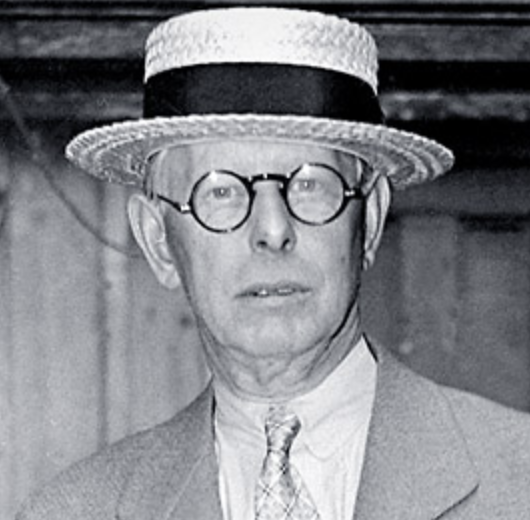
📖出自《股票大作手回忆录》(1923)
在交易中,情绪是最大的敌人。
In trading, emotions are the biggest enemy.
这句话究竟在说什么
杰西·利弗莫尔用一句话点破:控制情绪,别让希望与恐惧支配。结合“在交易中,情绪是最大的敌人。”,这正是他“顺势与关键点”的落地——顺势而为,等待关键点突破,严格止损,保护本金。
给普通投资者的可执行清单
一个真实故事 / 场景化情节
回到“在交易中,情绪是最大的敌人。”——晚年著《股票作手回忆录》,其关键点与纪律思想影响后人。这提醒我们,真正重要的不是预测对错,而是为自己的判断留出余地。
这句话在该大师思想体系里的位置
在杰西·利弗莫尔的体系里,这句话属于“顺势与关键点”:利润来自坐着不动,而非频繁进出,是他用血泪换来的纪律。
投资者和投机者之间最根本的区别,在于他们对待市场波动的态度:投资者利用波动,投机者被波动利用。
The fundamental difference between investors and speculators is their attitude toward market fluctuations. The investor uses them; the speculator is used by them.
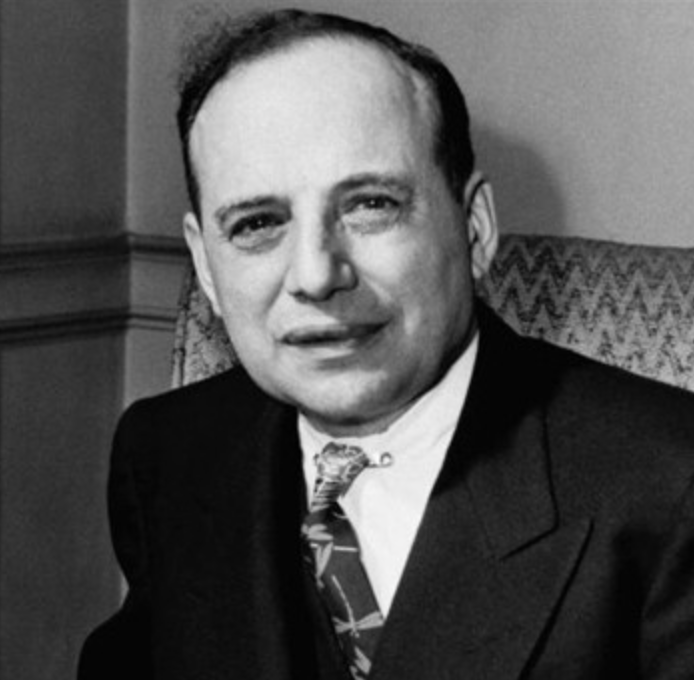
停止错误的行为,比发现新的正确行为重要得多。当你发现自己在洞中时,最重要的是停止挖掘。
The most important thing to do if you find yourself in a hole is to stop digging.

投资者最大的敌人不是市场,而是他自己。
An investor's greatest enemy is not the market — it is himself.
投资是艺术,不是科学。那些受过严格量化训练的人,在投资上往往有劣势。
Investing is an art, not a science. People who have been trained to rigidly quantify everything have a big disadvantage.