“
在你买入一只股票之前,先问自己:如果这只股票明天跌了50%,我是会恐慌卖出,还是会加仓?如果答案是前者,那你根本不应该买。
Before buying a stock, ask yourself: if it drops 50% tomorrow, would I sell in panic or buy more? If the answer is the former, you shouldn't buy it at all.
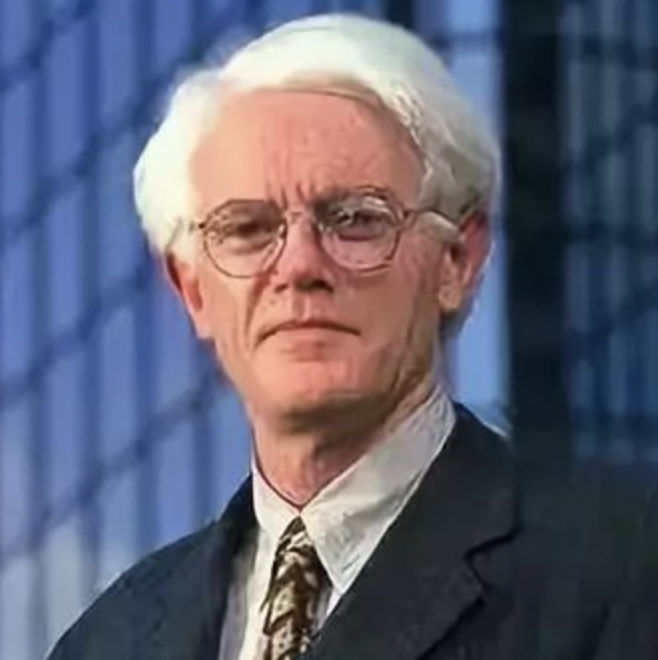
📖出自《《彼得·林奇的成功投资》》(1989)
在你买入一只股票之前,先问自己:如果这只股票明天跌了50%,我是会恐慌卖出,还是会加仓?如果答案是前者,那你根本不应该买。
Before buying a stock, ask yourself: if it drops 50% tomorrow, would I sell in panic or buy more? If the answer is the former, you shouldn't buy it at all.
这句话究竟在说什么
这是对'你真的了解这只股票吗'的最诚实测试。 如果一家公司的股票跌了50%,你不但不慌,反而想加仓——说明你真正理解它的价值,相信市场是错的。如果你看到暴跌只想逃跑,说明你买入时靠的是'感觉'或'跟风',而不是深入的研究。林奇把这个测试当作买入前必过的门槛:通不过测试的,不管涨势多好都不买。 这是一个'动机筛查',帮你过滤掉所有投机性质的交易,只留下基于认知的投资。
给普通投资者的可执行清单
一个真实故事 / 场景化情节
2013年,特斯拉股价在几个月内从约38美元跌到约25美元(拆股前),跌幅超过30%。原因是Model S出现了几起电池起火事故,媒体铺天盖地地报道,市场恐慌。当时,很多早期投资者面临林奇描述的那个问题:跌了是加仓还是割肉?那些真正相信电动车趋势的人选择了加仓——他们认为电池安全问题是可解决的工程问题,而不是对电动车的根本否定。后来特斯拉在十年内上涨了超过100倍。而那些只是因为'大家都在买'就跟风的人,早就被30%的跌幅吓跑了。
这句话在该大师思想体系里的位置
林奇补充说:'**我在华尔街13年的经验告诉我,那些能让你发财的股票,几乎必然会在某个阶段吓到你——如果你没被吓到过,那你可能从来没买对过股票。**'
大多数人犯的最大错误,是把过去当成未来的指南——但市场是一个不断自我进化的系统。
The biggest mistake most people make is using the past as a guide to the future — but the market is a constantly evolving system.
过度干预往往使系统更加脆弱。
Excessive intervention often makes systems more fragile.
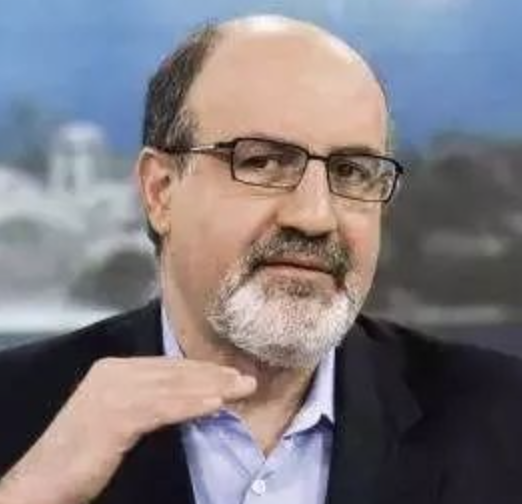
在机会面前,果断和谨慎一样重要。
In the face of opportunity, decisiveness is as important as caution.
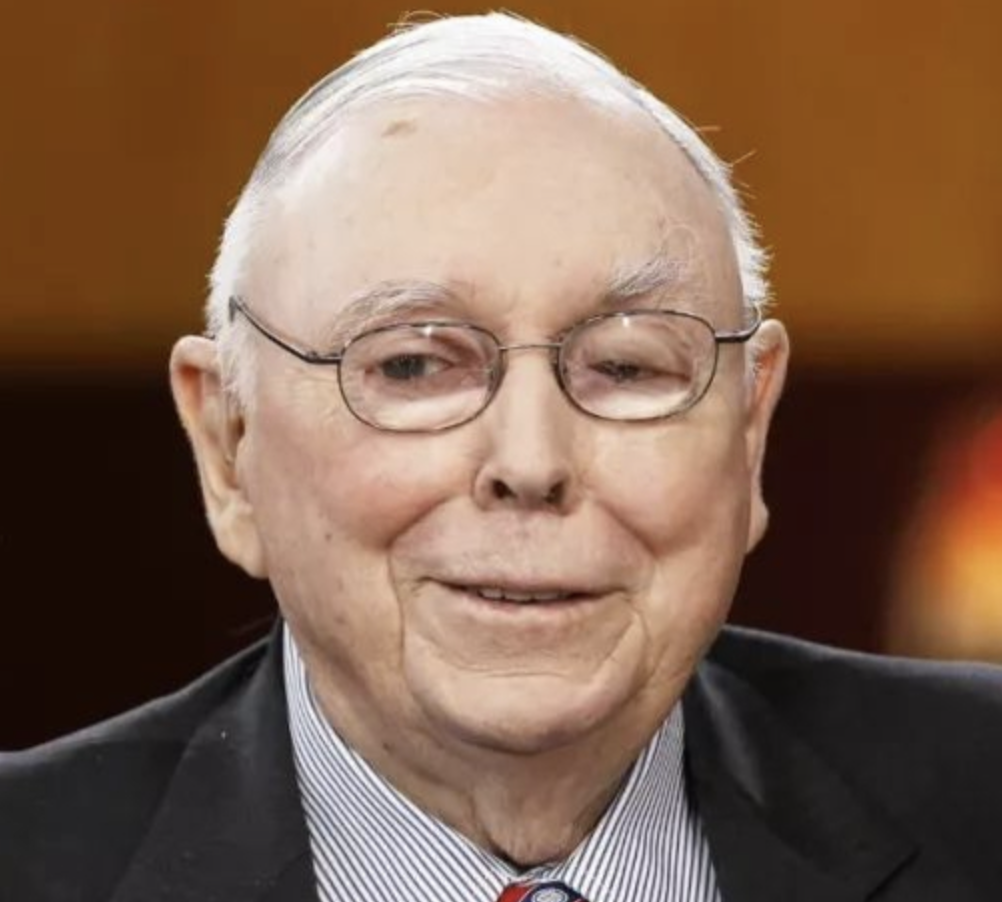
价值投资者的第一目标是保证资金安全。
The primary goal of a value investor is to preserve capital.