“
交易的艺术在于知道什么时候持有,什么时候卖出。
The art of trading is knowing when to hold and when to sell.
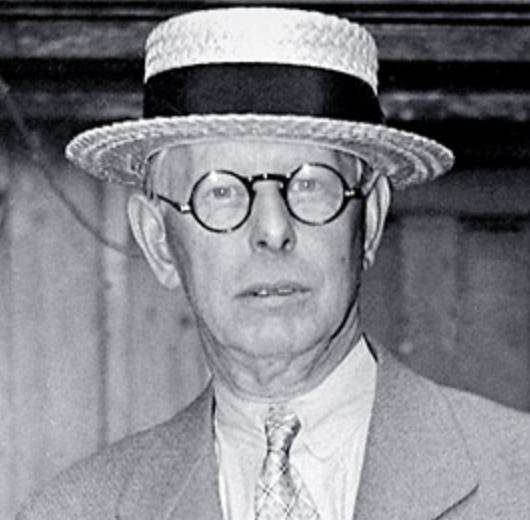
📖出自《股票大作手回忆录》(1923)
交易的艺术在于知道什么时候持有,什么时候卖出。
The art of trading is knowing when to hold and when to sell.
这句话究竟在说什么
杰西·利弗莫尔用一句话点破:控制情绪,别让希望与恐惧支配。结合“交易的艺术在于知道什么时候持有,什么…”,这正是他“顺势与关键点”的落地——顺势而为,等待关键点突破,严格止损,保护本金。
给普通投资者的可执行清单
一个真实故事 / 场景化情节
回到“交易的艺术在于知道什么时候持有,什么…”——1929 年大萧条前做空获利上亿美元。这提醒我们,真正重要的不是预测对错,而是为自己的判断留出余地。
这句话在该大师思想体系里的位置
在杰西·利弗莫尔的体系里,这句话属于“顺势与关键点”:利润来自坐着不动,而非频繁进出,是他用血泪换来的纪律。
金融市场是一个巨大的实验室,测试你的理论。
Financial markets are a huge laboratory testing your theories.

通货膨胀是政府偷偷掠夺人民财富的方式。
Inflation is the government's sneaky way to rob the people.

投资专业的学生只需要两门课程:如何评估一家公司,以及如何考虑市场价格。
Students of investing need only two courses: how to value a business, and how to think about market prices.

我建立桥水不是为了赚钱,而是为了理解经济运作的原理。
I built Bridgewater not to make money, but to understand how the economy works.