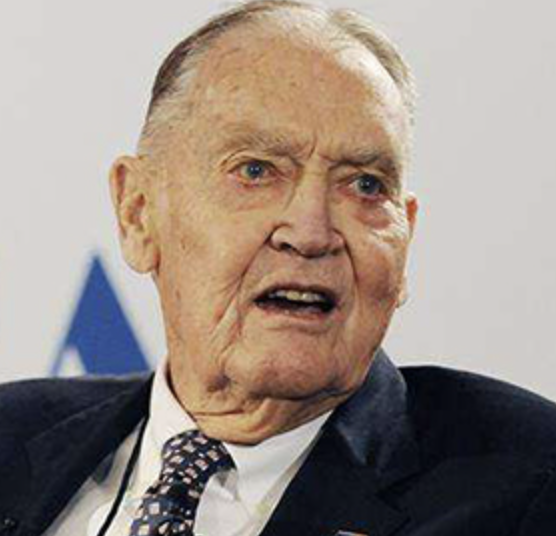
“
投资专业的学生只需要两门课程:如何评估一家公司,以及如何考虑市场价格。
Students of investing need only two courses: how to value a business, and how to think about market prices.

📖出自《致股东的信》(1996)
投资专业的学生只需要两门课程:如何评估一家公司,以及如何考虑市场价格。
Students of investing need only two courses: how to value a business, and how to think about market prices.
这句话究竟在说什么
投资的全部学问,浓缩成两门课:一门管"值多少钱",一门管"该出多少钱"。第一门课教你算内在价值,第二门课教你利用市场先生的报价。把这两件事做到极致,就足够成为优秀投资者——其他都是噪音。
给普通投资者的可执行清单
一个真实故事 / 场景化情节
巴菲特年轻时在哥伦比亚大学师从格雷厄姆,学的正是"证券分析"和"聪明的投资者"这两门课,奠定了他一生的投资框架。**大道至简,两门课足够,但要用一生去精进**。
这句话在该大师思想体系里的位置
出自1996年致股东信,巴菲特说"我和芒格只靠这两门课吃饭",体现了他对投资教育"少即是多"的理念。
投资者和投机者之间最根本的区别,在于他们对待市场波动的态度:投资者利用波动,投机者被波动利用。
The fundamental difference between investors and speculators is their attitude toward market fluctuations. The investor uses them; the speculator is used by them.
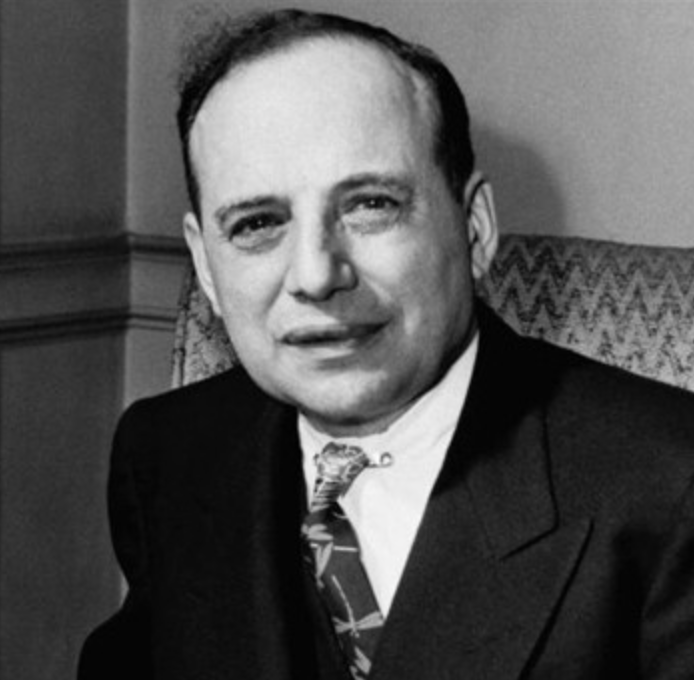
数学是投资中最好的仆人,却是最坏的主人。
Mathematics is the best servant but the worst master in investing.
价值投资者应该学会利用市场的情绪波动。
Value investors should learn to exploit market emotional fluctuations.

如果你整天盯着市场报价,你几乎一定会做出糟糕的决策。短期的噪音会淹没有价值的长期信号。
If you watch the market tick by tick, you are almost guaranteed to make bad decisions. Short-term noise drowns out valuable long-term signals.