“
在市场恐慌时买入,在市场兴奋时卖出。
Buy when the market panics, sell when the market is excited.
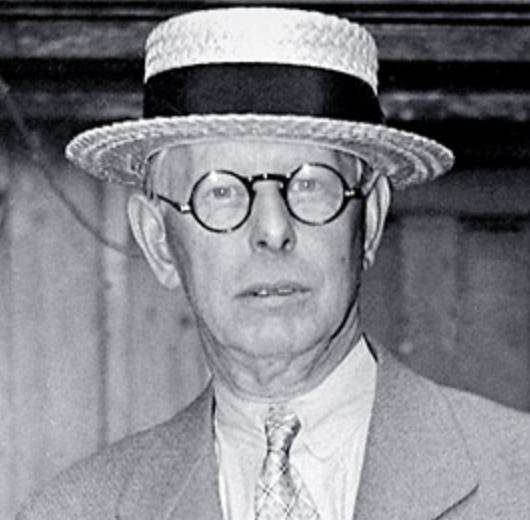
📖出自《股票大作手回忆录》(1923)
在市场恐慌时买入,在市场兴奋时卖出。
Buy when the market panics, sell when the market is excited.
这句话究竟在说什么
杰西·利弗莫尔用一句话点破:记录并复盘自己的每一笔交易。结合“在市场恐慌时买入,在市场兴奋时卖出。”,这正是他“顺势与关键点”的落地——顺势而为,等待关键点突破,严格止损,保护本金。
给普通投资者的可执行清单
一个真实故事 / 场景化情节
回到“在市场恐慌时买入,在市场兴奋时卖出。”——1907 年恐慌中做空获利,获 J.P. 摩根请其收手以稳定市场。
这句话在该大师思想体系里的位置
在杰西·利弗莫尔的体系里,这句话属于“顺势与关键点”:利润来自坐着不动,而非频繁进出,是他用血泪换来的纪律。
比特币是一种反常的发明,我永远不会投资它。
Bitcoin is an aberrant invention, and I will never invest in it.

不要追逐最热门的行业中最热门的股票。当一只股票连出租车司机都在推荐的时候,买点已经过去了。
Never invest in any idea you can't illustrate with a crayon. By the time you hear about the hottest stock from your barber, it's too late.

别人贪婪时我恐惧,别人恐惧时我贪婪。
Be fearful when others are greedy and greedy when others are fearful.

市场总是错的。它的偏见和趋势就是投资者的机会——你需要在趋势被大众察觉之前发现它。
Markets are constantly in a state of uncertainty and flux.