“
投资的第一要务,是不要亏钱;第二要务是记住第一条。
The first duty of an investor is not to lose money; the second is to remember the first.
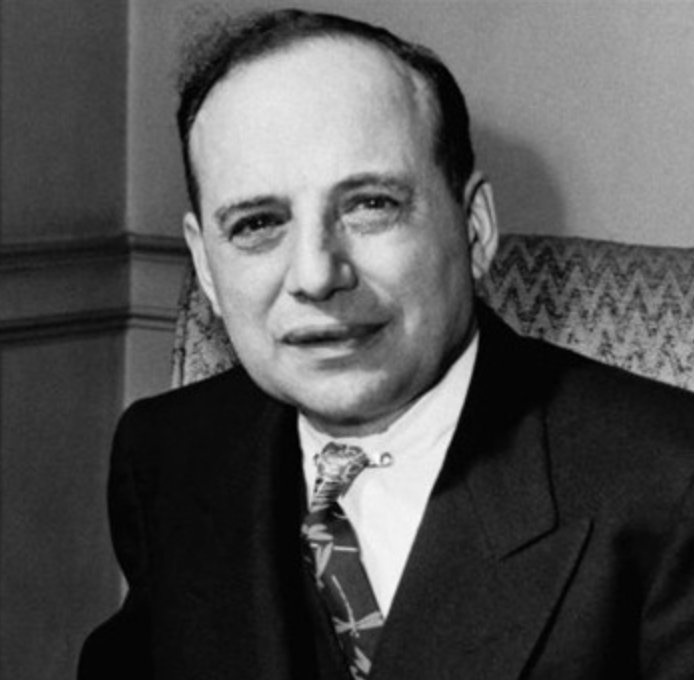
📖出自《《聪明的投资者》》(1949)
投资的第一要务,是不要亏钱;第二要务是记住第一条。
The first duty of an investor is not to lose money; the second is to remember the first.
这句话究竟在说什么
格雷厄姆是'安全边际'(Margin of Safety)的提出者,也是巴菲特的导师。这句话和巴菲特的版本高度相似,说明'不亏钱'是价值投资的基石。格雷厄姆的安全边际理论认为:当股价远低于内在价值时买入,为错误留出缓冲空间。亏钱不是因为运气差,而是因为支付的价格太高——安全边际的作用就是防止这种错误。
给普通投资者的可执行清单
一个真实故事 / 场景化情节
格雷厄姆1936年创立格雷厄姆-纽曼基金,在大萧条后的废墟中寻找被低估的股票。当时许多优质公司的股价跌破净资产(股价/账面价值<1),格雷厄姆大量买入这些'有安全边际'的标的。1936-1946年,格雷厄姆-纽曼基金的年化收益率约为17%,远超同期市场——安全边际是他在大萧条中活下来并赚钱的核心策略。
这句话在该大师思想体系里的位置
巴菲特:'**安全边际是投资的核心原则。**'
在市场上,最危险的事情是自满。
In the market, the most dangerous thing is complacency.
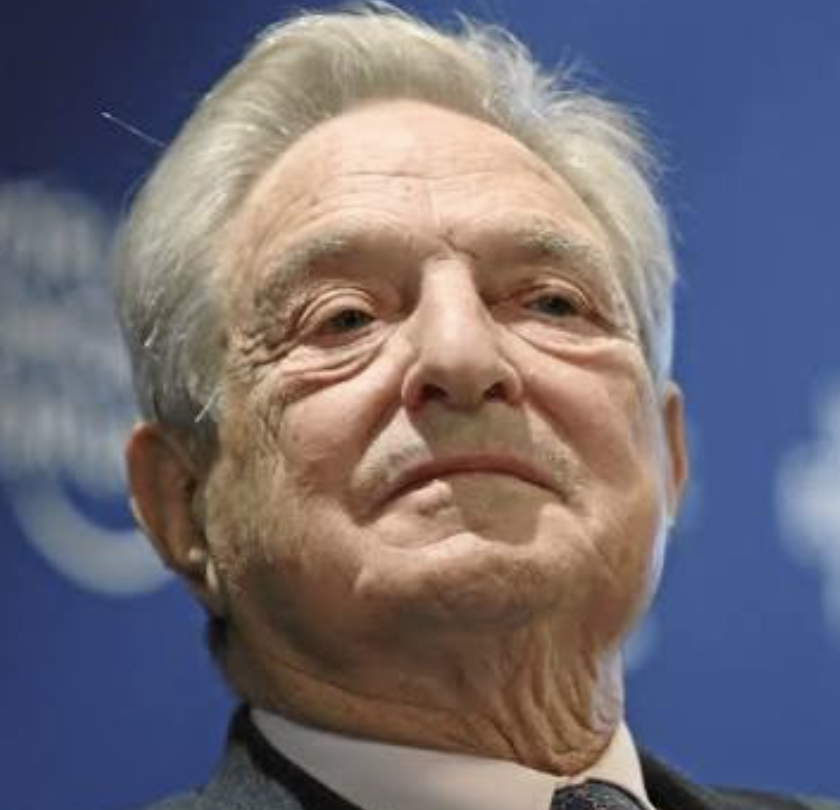
金融危机的发生往往是因为人们低估了尾部风险。
Financial crises often occur because people underestimate tail risk.
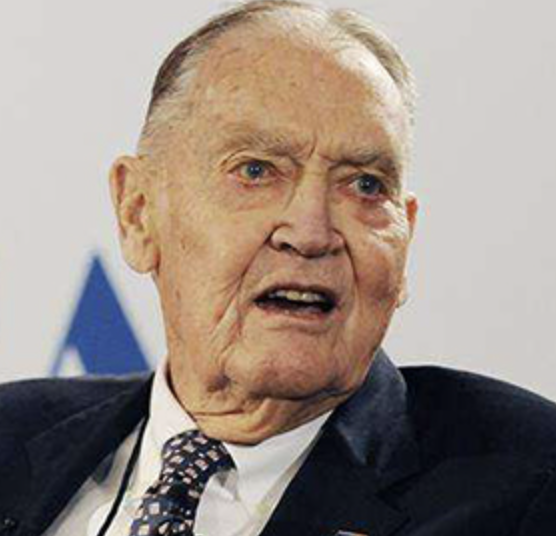
投资中残酷的讽刺是:我们投资者作为一个整体,得到的回报恰好是扣除费用之后的市场回报——不多不少。
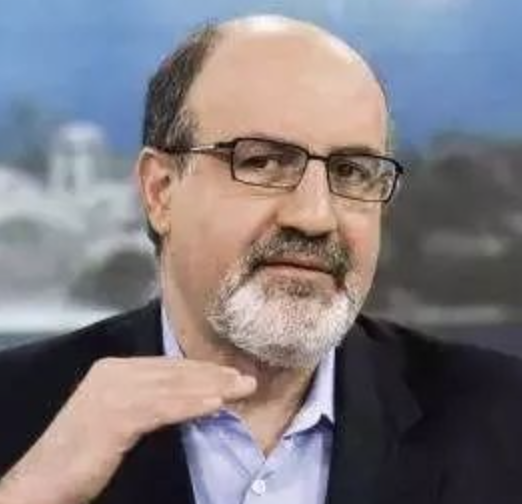
黑天鹅:概率极小、却影响巨大的意外事件。
The black swan: an event with a very low probability but an enormous impact.