“
金融危机的发生往往是因为人们低估了尾部风险。
Financial crises often occur because people underestimate tail risk.
📖出自《黑天鹅》(2007)
金融危机的发生往往是因为人们低估了尾部风险。
Financial crises often occur because people underestimate tail risk.
这句话究竟在说什么
纳西姆·塔勒布用一句话点破:用杠铃策略:大部分极安全加小部极投机。结合“金融危机的发生往往是因为人们低估了尾…”,这正是他“黑天鹅与反脆弱”的落地——世界常被极端事件主宰,构建反脆弱组合,用杠铃策略应对未知。
给普通投资者的可执行清单
一个真实故事 / 场景化情节
回到“金融危机的发生往往是因为人们低估了尾…”——主张让系统在被冲击时反而更强,而非仅仅抗住。这提醒我们,真正重要的不是预测对错,而是为自己的判断留出余地。
这句话在该大师思想体系里的位置
在纳西姆·塔勒布的体系里,这句话属于“黑天鹅与反脆弱”:承认无法预测黑天鹅,但可为之准备,是他的核心洞见。
我们生活在一个黑天鹅频发的世界里。
We live in a world where black swans occur frequently.
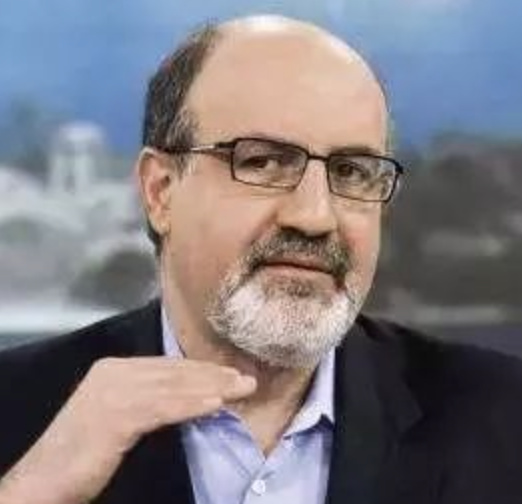
判断对错并不重要重要在于正确时获取多大利润错误时亏损了多少。
It's not whether you're right or wrong that's important, but how much money you make when you're right and how much you lose when you're wrong.
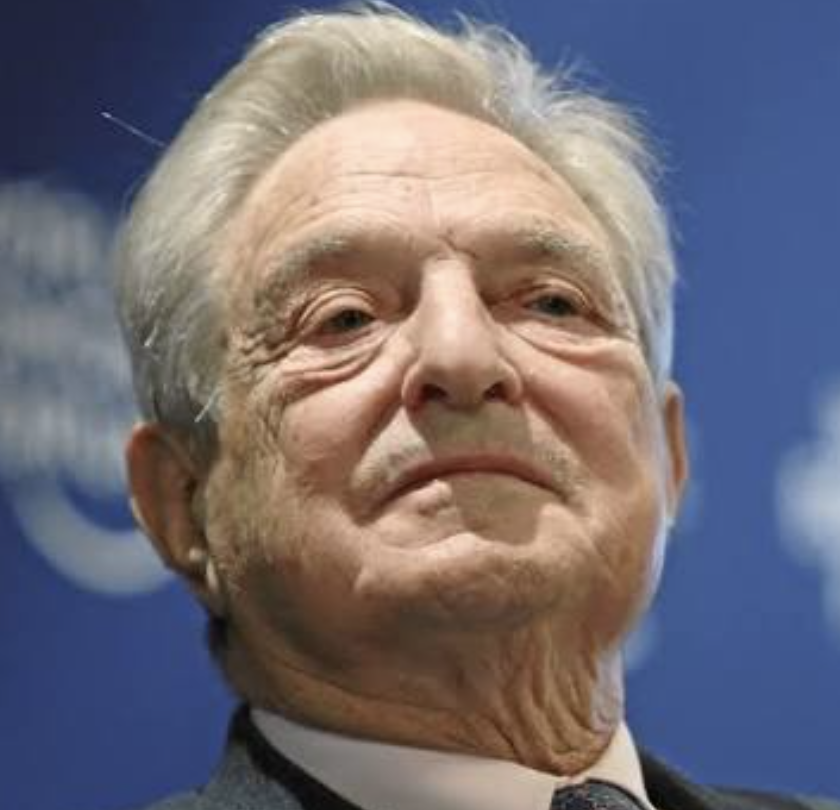
投资者会犯两种错:行动之错(买错了)和不作为之错(该买没买)。卓越的投资者不是不犯错,而是让两类错误都足够小。
There are two kinds of errors: errors of commission (buying wrong) and errors of omission (failing to buy right). Great investors make both small.
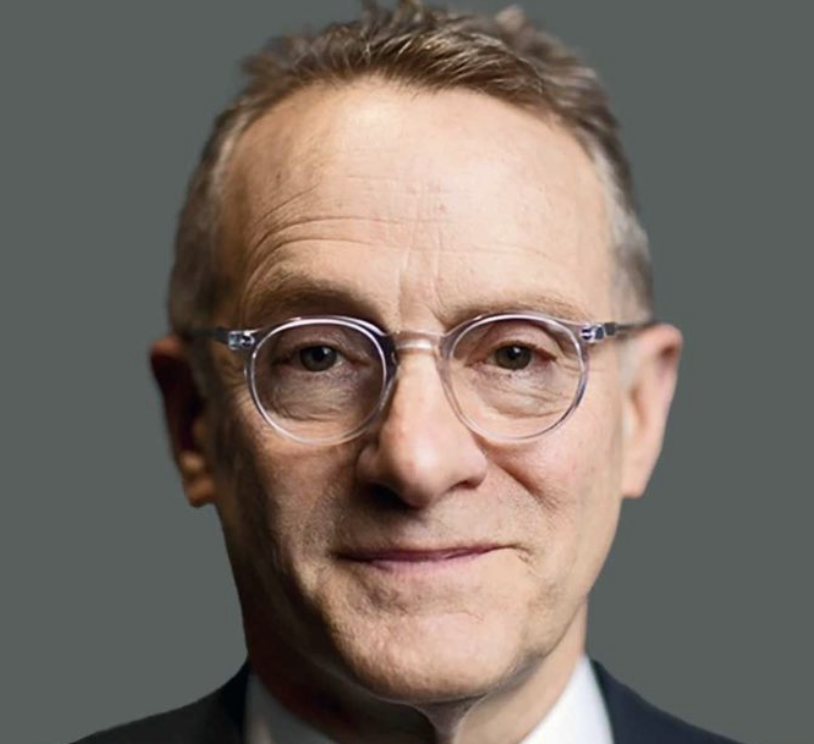
我很少做短线,因为短线是在和确定性作对。
I rarely trade short-term, because short-term trading fights against certainty.