“
我从不打算在买入股票的次日就赚钱;我总是假设明天交易所就会关门,5年之后才又重新打开。
I never attempt to make money on the stock market. I buy on the assumption that they could close the market the next day and not reopen it for five years.
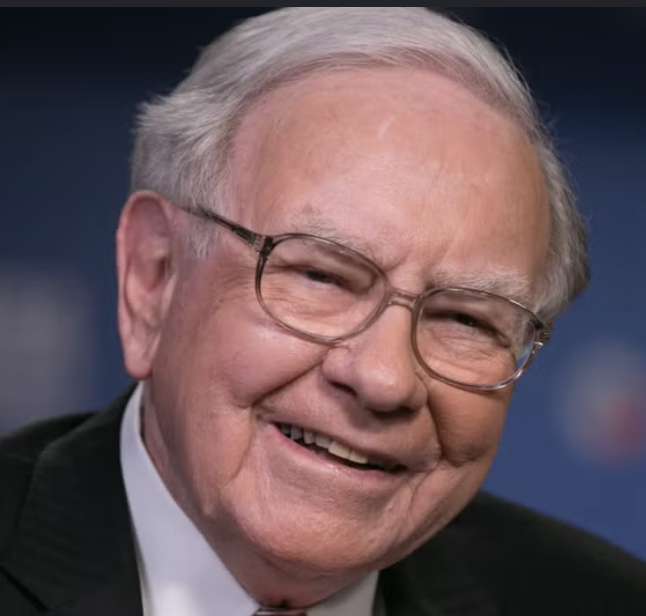
📖出自《致股东的信》(1987)
我从不打算在买入股票的次日就赚钱;我总是假设明天交易所就会关门,5年之后才又重新打开。
I never attempt to make money on the stock market. I buy on the assumption that they could close the market the next day and not reopen it for five years.
这句话究竟在说什么
这是对"把股票当企业"最极致的测试:如果市场关门5年,你还敢不敢买? 敢,说明你看的是企业本身;不敢,说明你看的是价差。真正的投资者买入的是一份生意,而不是一张赌券。这个假设自动过滤掉所有短线思维。
给普通投资者的可执行清单
一个真实故事 / 场景化情节
巴菲特1956年成立合伙基金时就说"我们要么一起赚钱,要么一起亏钱,但绝不会频繁交易"。后来他持有可口可乐三十年,就像买下一间永远不会关门的糖水铺。**把市场关掉,你反而看得更清楚**。
这句话在该大师思想体系里的位置
出自1987年致股东信,巴菲特用这个"关门假设"区分投资者与投机者,芒格称之为"终极的长期思维测试"。
时间是你最大的敌人,也是你最大的朋友。
Time is your greatest enemy, and also your greatest friend.
波段操作、找热点、猜涨跌,这些都是业余投资者的致命伤。
你生命中最重要的决定不是买了哪只股票,而是选择了和谁共度一生。
The most important decision you'll ever make isn't what stock you bought, it's who you chose to spend your life with.
投资的四个维度——回报、风险、成本和时间——只有成本是你可以完全控制的。
Of the four dimensions of investing — return, risk, cost, and time — cost is the only one you can fully control.