“
投资者应该学会在市场恐慌时买入,在市场贪婪时卖出。
Investors should learn to buy when the market panics and sell when the market is greedy.
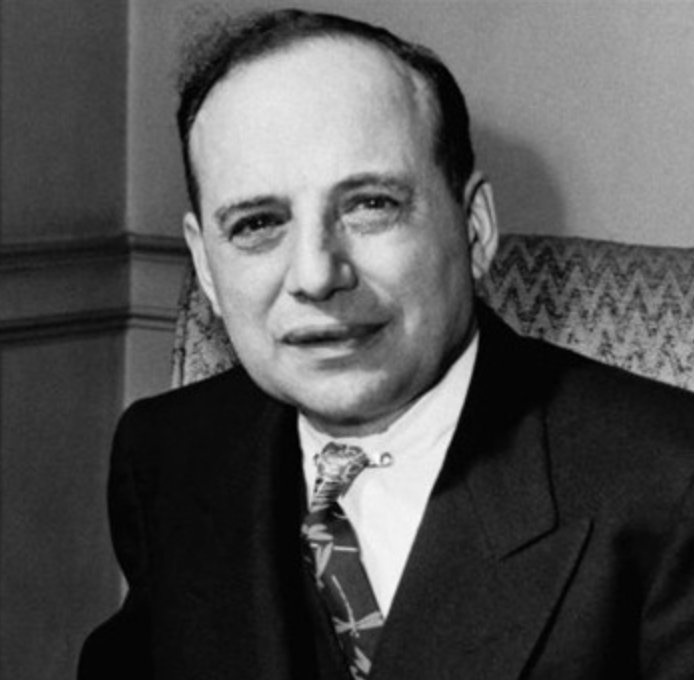
📖出自《聪明的投资者》(1949)
投资者应该学会在市场恐慌时买入,在市场贪婪时卖出。
Investors should learn to buy when the market panics and sell when the market is greedy.
这句话究竟在说什么
本杰明·格雷厄姆用一句话点破:用净流动资产折价控制下行风险。结合“投资者应该学会在市场恐慌时买入,在市…”,这正是他“安全边际与市场先生”的落地——把股票当生意,利用市场先生的情绪波动,以安全边际买入。
给普通投资者的可执行清单
一个真实故事 / 场景化情节
回到“投资者应该学会在市场恐慌时买入,在市…”——用市场先生寓言教导投资者:别被每日报价牵着鼻子走。
这句话在该大师思想体系里的位置
在本杰明·格雷厄姆的体系里,这句话属于“安全边际与市场先生”:价值投资之父,用纪律把投资变成可复制的生意。
卓越的投资不是来自买好的东西,而是来自把东西买好。
Investment brilliance isn't delivered by buying good things, but by buying things well.
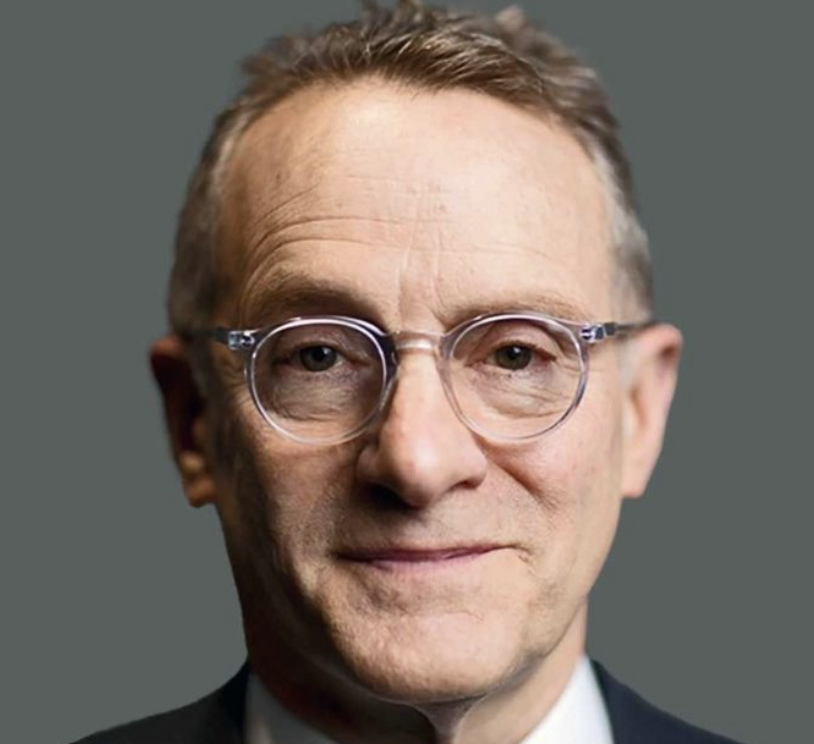
第二层思维:第一层想'这公司不错该买',第二层想'人人都觉得不错,价格是否已透支'。
Second-level thinking: what is the consensus, and is it right?
第一层次思维说:“这是一家好公司,买它。”第二层次思维说:“这是一家好公司,但所有人都知道它是好公司了,所以价格已经太高了——卖它。”
在市场过热时保持怀疑,在市场恐慌时保持勇气。
Remain skeptical when the market is overheating, and courageous when the market panics.