“
那些不能控制自己情绪的人,不适合从投资中获利。
Individuals who cannot master their emotions are ill-suited to profit from the investment process.
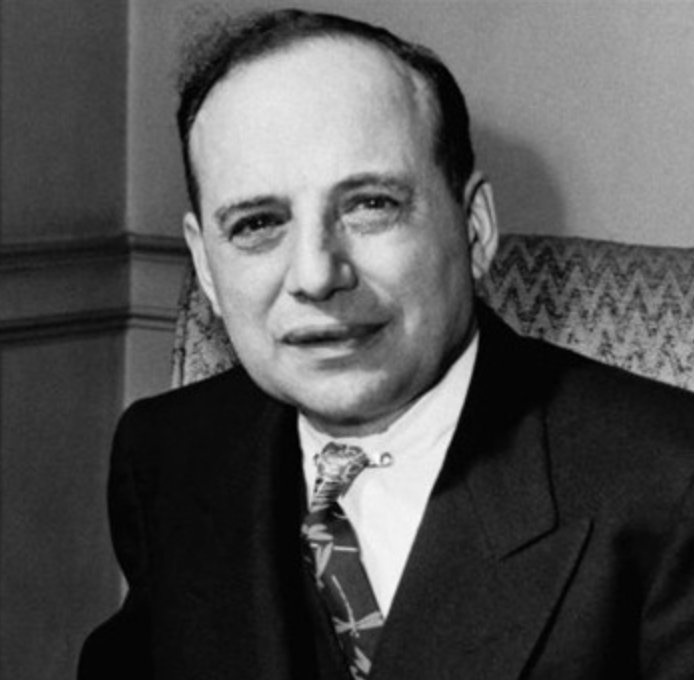
📖出自《聪明的投资者》(1949)
那些不能控制自己情绪的人,不适合从投资中获利。
Individuals who cannot master their emotions are ill-suited to profit from the investment process.
这句话究竟在说什么
那些不能控制自己情绪的人,不适合从投资中获利——格雷厄姆对'情绪控制'的硬要求。投资是'情绪的修行'——能控制情绪的人,业绩比 IQ 高的人好 10 倍。
给普通投资者的可执行清单
一个真实故事 / 场景化情节
格雷厄姆在《聪明的投资者》第 20 章专门写了'投资者与市场波动'——他强调'**情绪控制**'是'**投资成功的前提**'。他提出'**市场先生**'比喻——一个每天来找你的躁郁症患者——**你必须利用他,而不是跟着他**。**没有情绪控制能力的人,做不了投资者**。
这句话在该大师思想体系里的位置
格雷厄姆说:'**那些不能控制自己情绪的人,不适合从投资中获利。**' 巴菲特说:'**格雷厄姆的'情绪控制'要求是 70 年前最反常识的建议——他对了 70 年。**' 1949 年《聪明的投资者》原始出处。
在投资中,你需要知道什么时候应该坚持,什么时候应该放弃。
In investing, you need to know when to persist and when to give up.
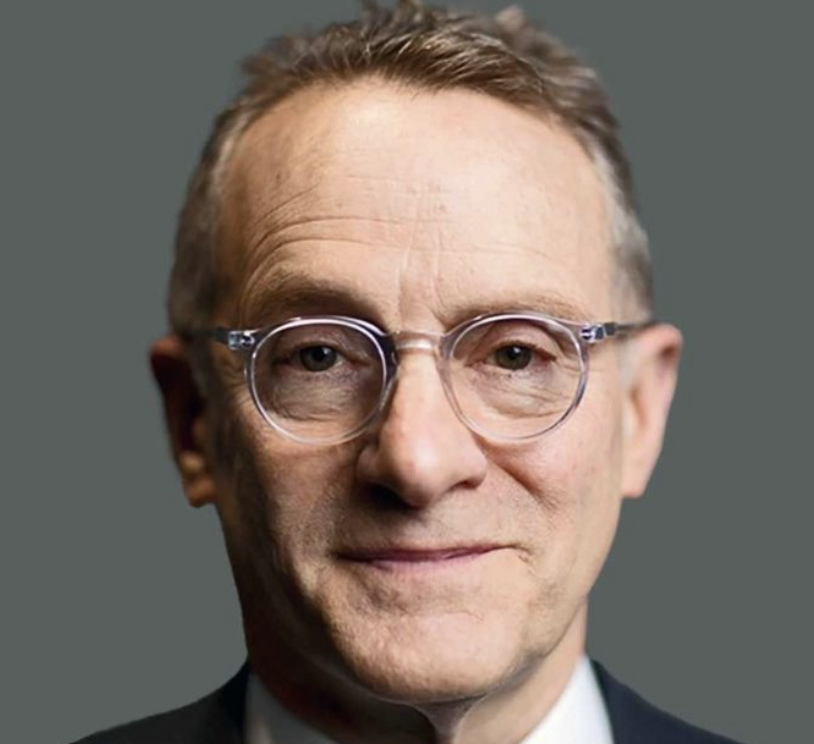
平常心看待涨跌,涨不喜跌不悲,回到生意本身。
View rises and falls with an ordinary mind—no joy in ups, no sorrow in downs—and return to the business itself.

在近百年的生命里,我从来没见过谁靠嫉妒自己的人生变好。
In nearly a century of life, I have never seen anyone improve their life by envying others.
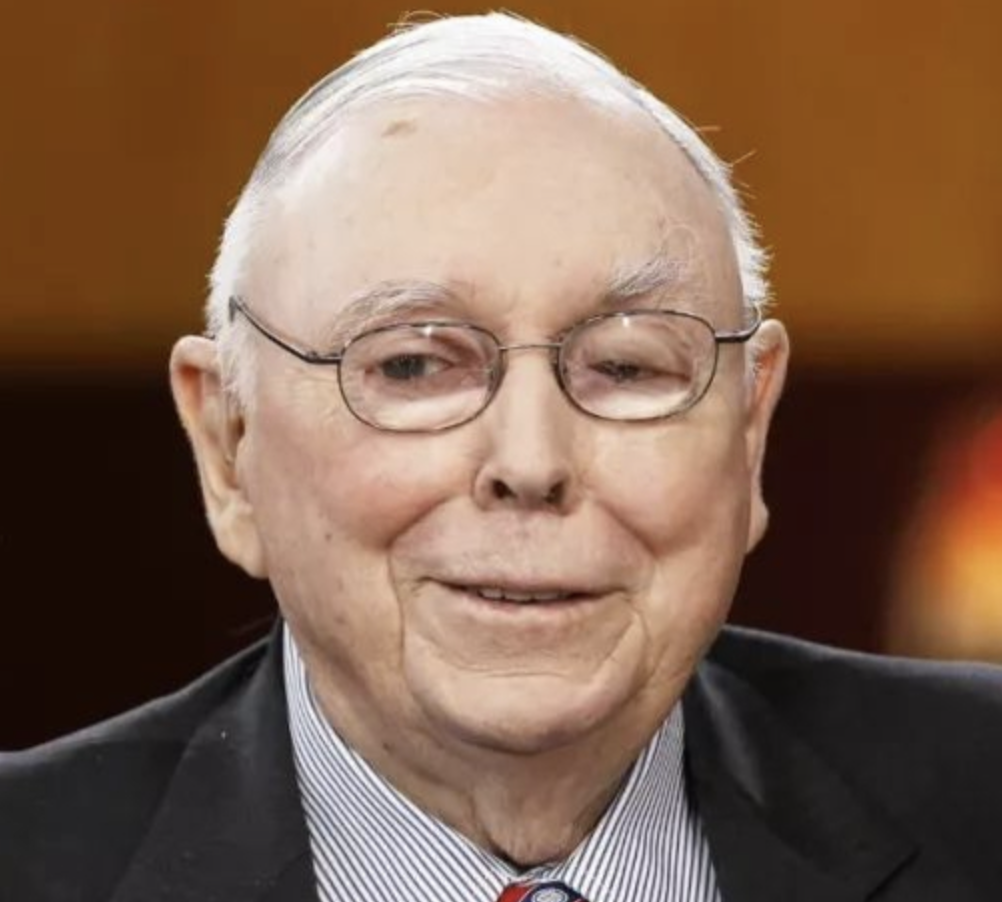
如果你一直在学习,你会不断地否定一年前的自己。这就是进步的代价。
If you keep learning, you will constantly repudiate what you thought a year ago. That is the price of progress.