“
你买一只股票的理由不应该是它一直在涨,而是你对这家公司有不同于市场的独到认知。
You dont buy a stock because it has been going up. You buy it because you know something about the company that the market doesnt fully appreciate.

📖出自《《彼得·林奇的成功投资》》(1989)
你买一只股票的理由不应该是它一直在涨,而是你对这家公司有不同于市场的独到认知。
You dont buy a stock because it has been going up. You buy it because you know something about the company that the market doesnt fully appreciate.
这句话究竟在说什么
林奇在这里点出了超额收益的唯一合法来源:““认知差””。市场的价格已经反映了所有人的共识认知——你读到的新闻看到的研报听到的推荐,这些早就被定价了。要赚超额收益你必须知道一些别人不知道或者别人忽视的东西。这个东西不一定是内幕消息,更多时候是““你花时间去研究了而别人没有””。比如你周末去逛了二十家店、读了三年的年报、和业内的人聊了天——这些苦功夫产生的认知就是你的竞争优势。
给普通投资者的可执行清单
一个真实故事 / 场景化情节
林奇发现La Quinta汽车旅馆的投资机会不是通过华尔街研报,而是在一次出差中他注意到这家连锁旅馆的入住率异常高。于是他开始打电话给各地的La Quinta门店假装要订房,同时询问附近竞争对手的价格和入住情况。几个月内他积累了厚厚的电话记录,确认这家公司正在以远低于竞争对手的成本实现更高的入住率。这个认知差让他买在了大多数分析师关注之前,股价此后涨了超过10倍。
这句话在该大师思想体系里的位置
菲利普·费雪:““如果你比你的竞争对手你的客户和你的供应商更了解一家公司,你就拥有了投资的优势。””
投资者应该避免盲目跟风,要独立思考。
Investors should avoid blindly following the crowd and think independently.
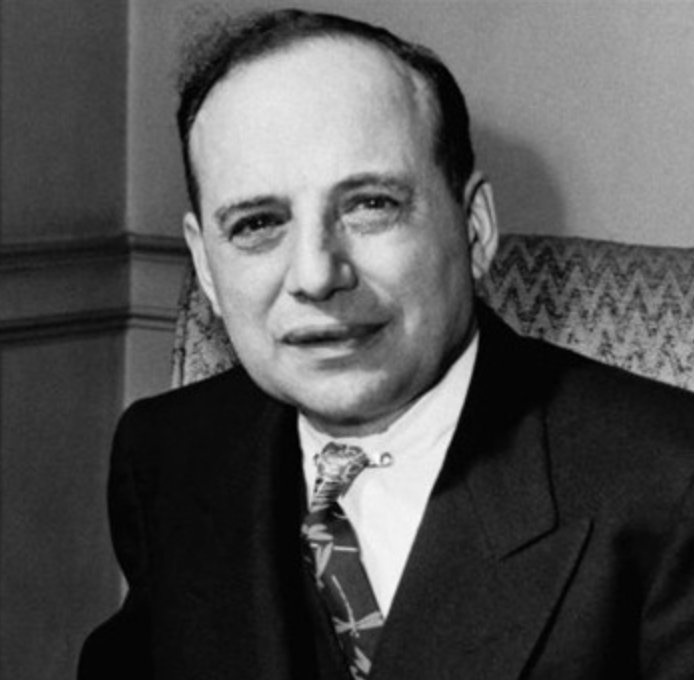
泡沫不是由估值驱动的,而是由叙事驱动的。
Bubbles are not driven by valuations but by narratives.

告诉我我会死在哪里,这样我就永远不去那个地方。
Tell me where I'm going to die, that is, so I never go there.
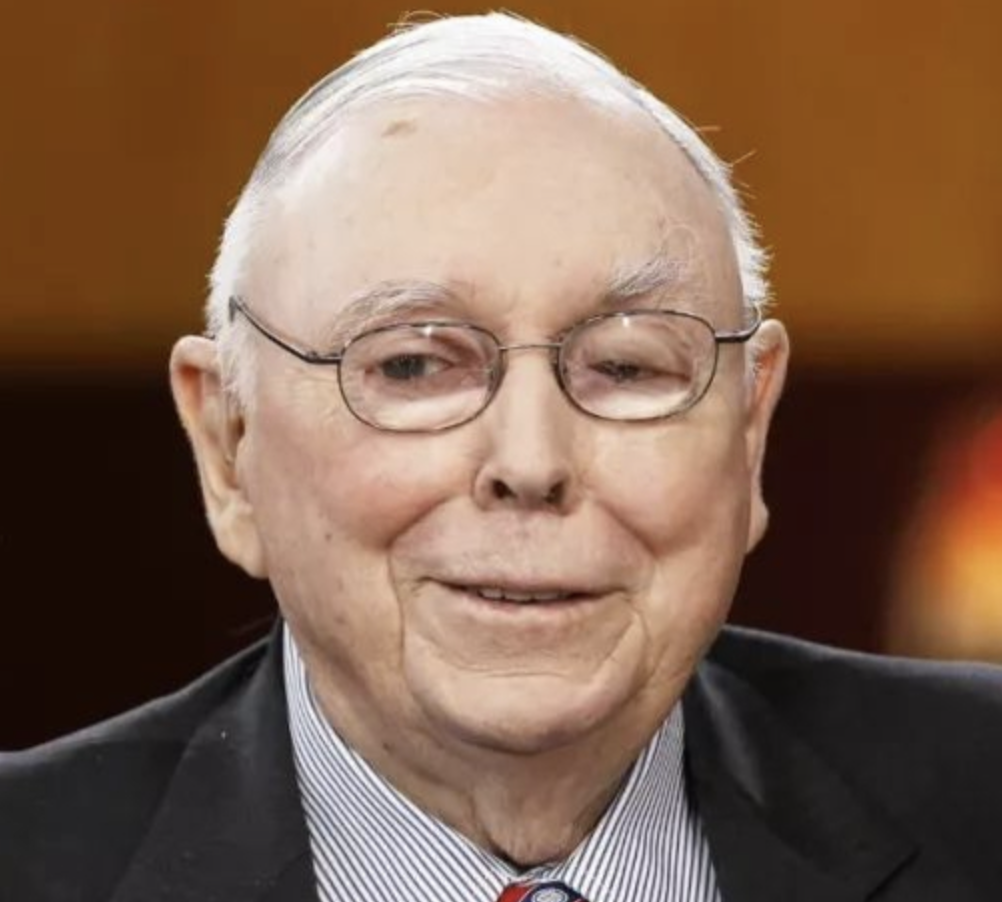
投资者最大的悲剧不是不知道什么是好投资——而是知道什么是好投资但在它最便宜的时候不敢买。
The greatest tragedy for investors isn't not knowing what a good investment is — it's knowing what a good investment is but being too scared to buy it when it's cheapest.