“
承担风险本身并不值得赞赏,只有承担那些被充分补偿的风险才是明智的。
If you take risk, you should expect to be compensated. But the riskiest thing is to take risk without being compensated for it.
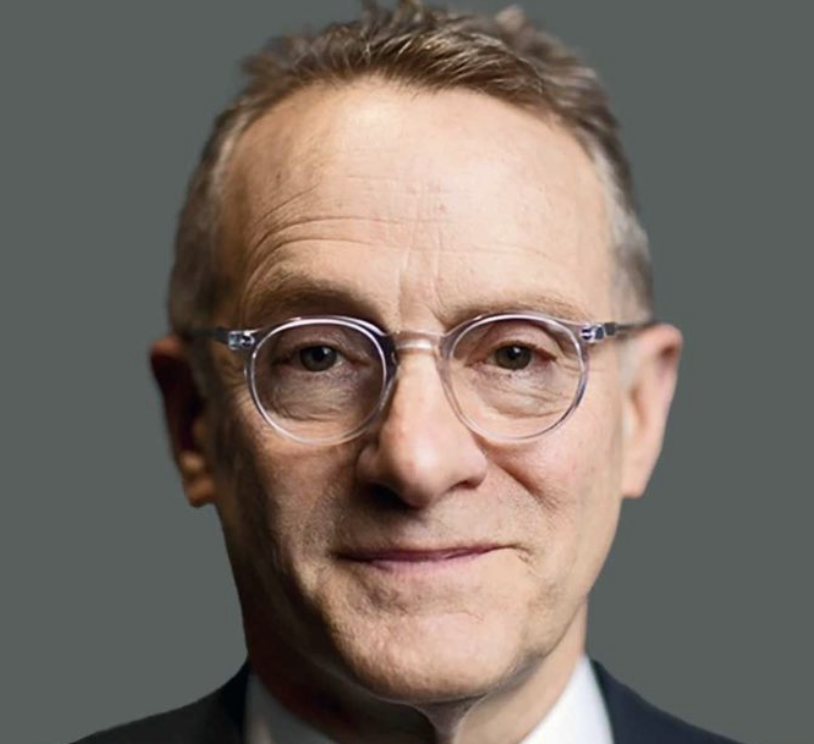
📖出自《《投资最重要的事》》(2011)
承担风险本身并不值得赞赏,只有承担那些被充分补偿的风险才是明智的。
If you take risk, you should expect to be compensated. But the riskiest thing is to take risk without being compensated for it.
这句话究竟在说什么
这句话直击一个常见误区:高风险不等于高回报,只有被错误定价的风险才带来超额回报。很多人以为'敢冒险就能赚钱',但马克斯强调的是'风险定价'——你承担的每一单位风险,市场给了你多少补偿?如果补偿不足,那不是勇敢,是愚蠢。真正的投资技巧不是避开风险,而是找到那些风险被低估的机会,即市场给了你过高的风险补偿。
给普通投资者的可执行清单
一个真实故事 / 场景化情节
2008年金融危机期间,高收益债券利差从约300个基点飙升至超过2000个基点,意味着投资者要求极高的风险补偿。橡树资本判断此时风险补偿远超实际违约风险,大举买入不良债务。事实证明,随后几年违约率并未达到市场恐慌所暗示的水平,那些在利差最高时买入的投资者获得了年化20%以上的回报。这正是'只承担被充分补偿的风险'的教科书案例。
这句话在该大师思想体系里的位置
达利欧:"**找到那些风险回报比不对称的机会——下行有限、上行巨大——这才是真正的投资。**"
安全边际不是精确计算,而是给自己留犯错的空间。
Margin of safety isn't precise calculation; it's leaving room for being wrong.

学会在错误中生存是成功交易的关键。
Learning to survive mistakes is the key to successful trading.
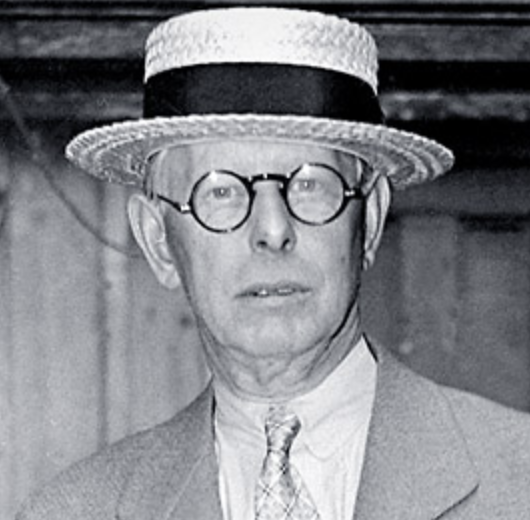
我相信多元化和分散投资的重要性。
I believe in the importance of diversification and spread investing.
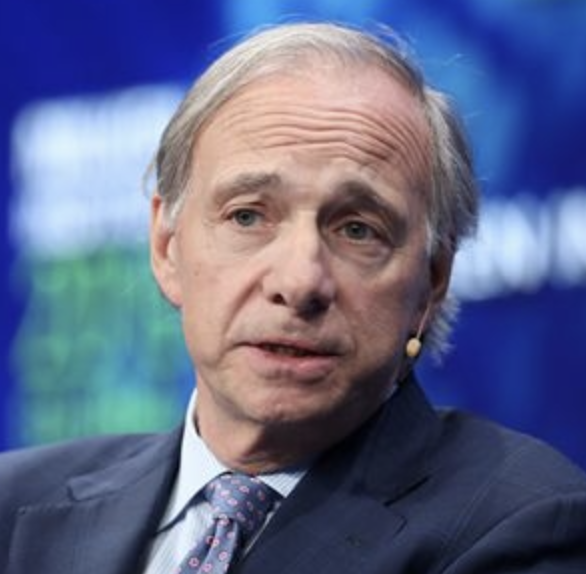
整个基金行业的结构性问题在于:基金经理通过管理别人的钱变得富有,而投资者承担了全部的风险和大部分的费用。
The structural problem of the entire fund industry is this: fund managers get rich by managing other people's money, while investors bear all the risk and most of the costs.