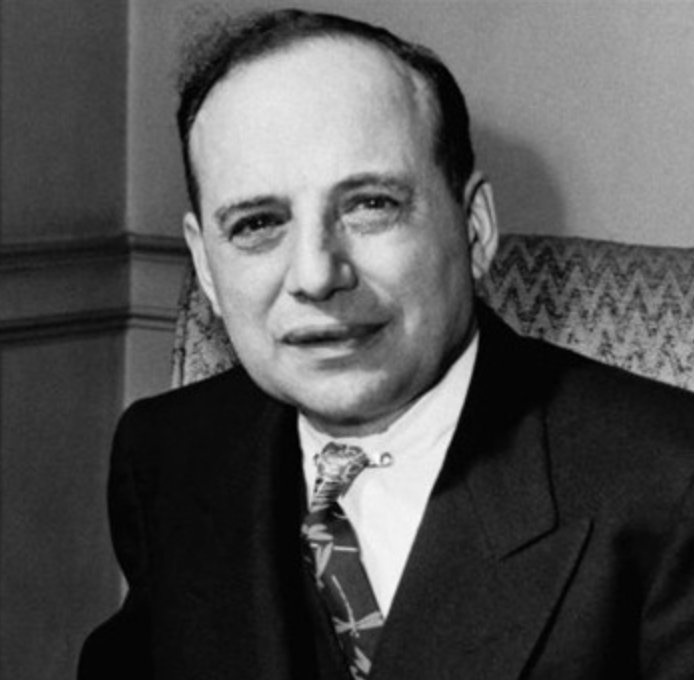
整个基金行业的结构性问题在于:基金经理通过管理别人的钱变得富有,而投资者承担了全部的风险和大部分的费用。
The structural problem of the entire fund industry is this: fund managers get rich by managing other people's money, while investors bear all the risk and most of the costs.

整个基金行业的结构性问题在于:基金经理通过管理别人的钱变得富有,而投资者承担了全部的风险和大部分的费用。
The structural problem of the entire fund industry is this: fund managers get rich by managing other people's money, while investors bear all the risk and most of the costs.
这句话究竟在说什么
博格一生都在揭露基金行业的利益冲突。大多数基金采用“固定费率”模式:无论基金是赚是亏,管理费照收不误。当基金规模增长时,基金公司的收入呈指数增长,但投资者的回报并不会因此提高。更糟糕的是,很多基金公司利用历史高收益来吸引新资金,然后收取更高的管理费,即使这些“历史高收益”并不能预示未来。博格创造了“投资者收益 vs 基金收益”的对比概念:基金可能年化10%,但投资者因为高买低卖和各种费用,实际到手只有6%。中间的4%去哪了?大部分进了基金公司和基金经理的腰包。
给普通投资者的可执行清单
一个真实故事 / 场景化情节
2000年互联网泡沫顶峰时,Janus基金是华尔街最炙手可热的基金公司。它旗下的Janus Twenty基金在1998年和1999年分别取得了73%和64%的惊人回报,吸引了海量资金涌入。基金规模从1998年底的不到100亿美元膨胀到2000年初的超过400亿美元。Janus收取的管理费也随之暴涨,基金经理成为了亿万富翁。但泡沫破裂后,Janus Twenty在2000年亏损32%,2001年亏损31%,2002年亏损27%。投资者在最狂热时投入的钱,三年内缩水了超过60%。而Janus在这三年里收取的管理费高达数十亿美元。博格说:“这个行业最丑陋的秘密是:投资者赚钱的时候,基金公司赚钱;投资者亏钱的时候,基金公司仍然在赚钱。”
这句话在该大师思想体系里的位置
巴菲特:“**投资行业是一个你不需要为客户创造价值就能赚大钱的地方。这很荒谬,但这是事实。**”
理解周期可以帮助你避免在顶部买入,在底部卖出。
Understanding cycles can help you avoid buying at the top and selling at the bottom.
重要的不是你对或错,而是你对的时候赚多少,错的时候亏多少。
It's not whether you're right or wrong that's important, but how much money you make when you're right and how much you lose when you're wrong.
不要拿你拥有和需要的东西,去换你不需要和不想要的东西。
Don't risk what you have and need for what you don't have and don't need.
过去五十年来我没有见过任何人能持续准确地预测市场——但我见过成千上万的人因为尝试预测市场而赔了钱。
In the past fifty years, I haven't seen anyone who could consistently predict the market accurately — but I've seen thousands who lost money trying.