“
重要的不是你对还是错,而是你对时赚多少、错时亏多少。
It's not whether you're right or wrong that's important, but how much money you make when you're right and how much you lose when you're wrong.

📖出自《《金融炼金术》》(1987)
重要的不是你对还是错,而是你对时赚多少、错时亏多少。
It's not whether you're right or wrong that's important, but how much money you make when you're right and how much you lose when you're wrong.
这句话究竟在说什么
投资是概率游戏,胜率高低不如'赔率结构'重要。即使你只有40%的胜率,只要对时赚3倍、错时只亏1倍,长期仍大赚。索罗斯这句话讲的是'盈亏比'思维:与其追求每次都对,不如设计'小亏大赚'的不对称结构。它的立场是:风控的核心在'亏多少',扩张的核心在'赚多少'。
给普通投资者的可执行清单
一个真实故事 / 场景化情节
索罗斯的量子基金常年胜率不算突出,但单笔大赚(如做空英镑获利约10亿美元)足以覆盖多次小亏。他刻意把结构做成**'截断亏损、让利润奔跑'的不对称**,这正是长期复合收益的引擎。
这句话在该大师思想体系里的位置
杰西·利弗莫尔:'**截断亏损,让利润奔跑。**'
风险不是投资本身固有的,而是由投资者的行为创造的。
Risk is not inherent in an investment; it is created by the behavior of investors.
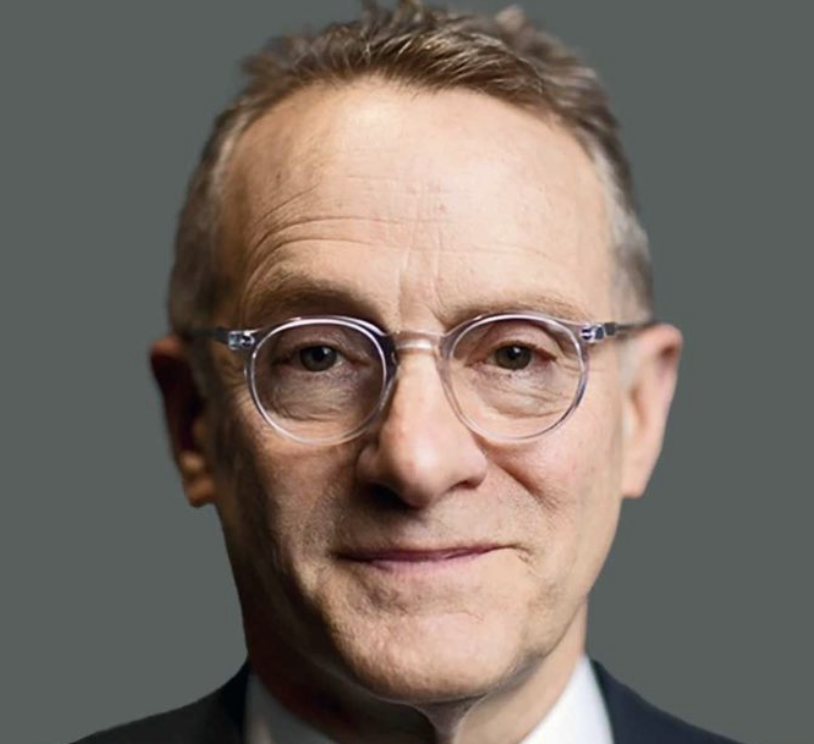
金融服务业每年从美国投资者口袋里拿走了大约5000亿美元——这不是服务的价格而是财富转移的规模。
The financial services industry takes roughly 500 billion dollars from American investors' pockets every year — that's not the price of service, that's the scale of wealth transfer.
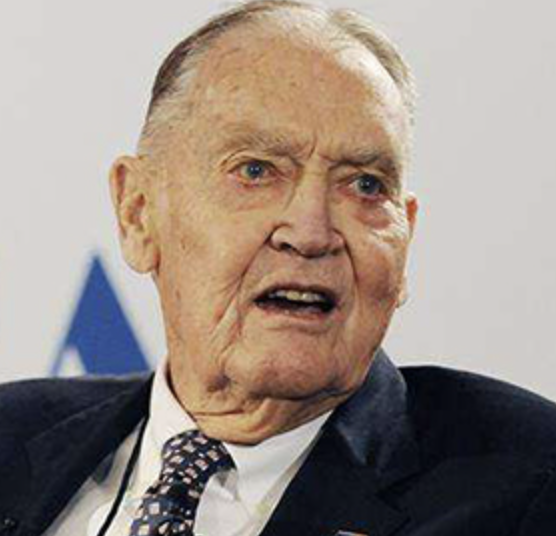
你无法预测未来,但你可以为未来做好准备。
You can't predict, but you can prepare.
共同基金行业系统性地损害了个人投资者的利益。
The mutual fund industry systematically exploits individual investors.