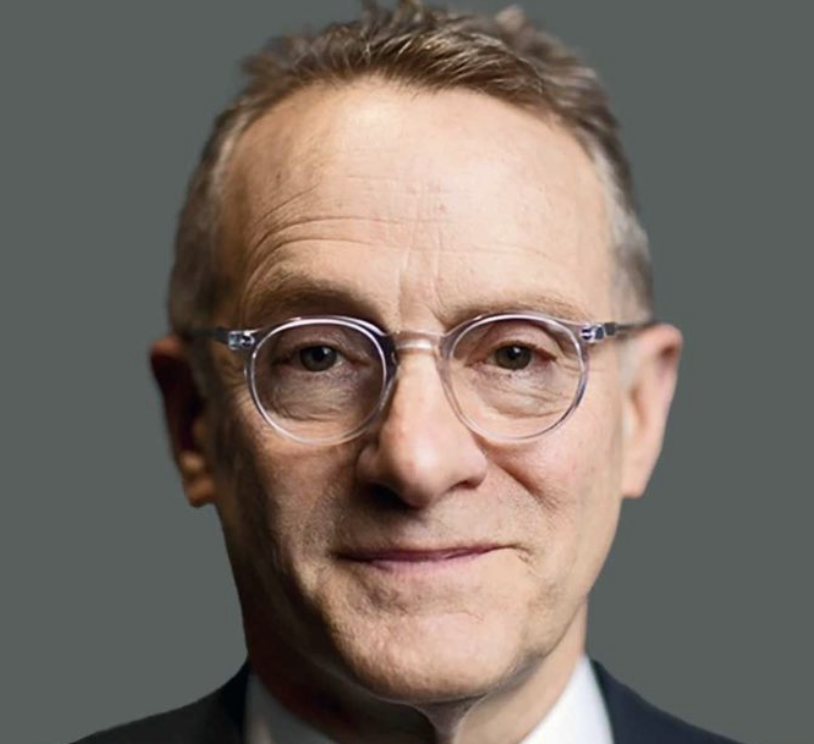
“
市场总是错误的,因为参与者的认知是有偏见的。
Markets are always wrong because participants perceptions are biased.
📖出自《金融炼金术》(1987)
市场总是错误的,因为参与者的认知是有偏见的。
Markets are always wrong because participants perceptions are biased.
这句话究竟在说什么
乔治·索罗斯用一句话点破:别被希望与恐惧支配交易。结合“市场总是错误的,因为参与者的认知是有…”,这正是他“反身性与试错”的落地——市场由参与者偏见驱动,价格与基本面相互反射,趋势自我强化至反转。
给普通投资者的可执行清单
一个真实故事 / 场景化情节
回到“市场总是错误的,因为参与者的认知是有…”——提出反身性理论:投资者的偏见会改变市场本身。这提醒我们,真正重要的不是预测对错,而是为自己的判断留出余地。
这句话在该大师思想体系里的位置
在乔治·索罗斯的体系里,这句话属于“反身性与试错”:不恋战,认错比证明自己对更重要。
市场的行为是由人性决定的。
Market behavior is determined by human nature.
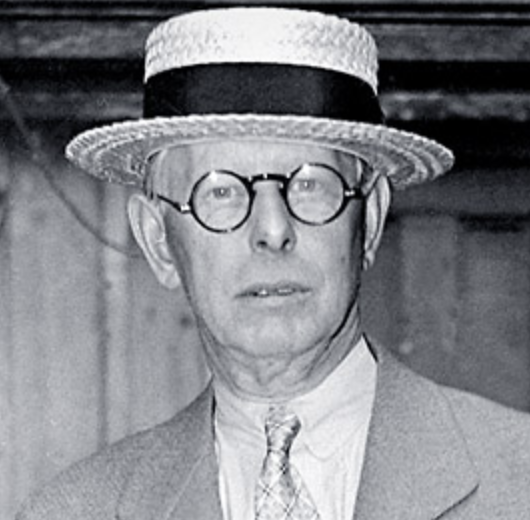
金融市场绝不是教科书上描述的那种均衡系统,它是一个永远处于非均衡状态的复杂自适应系统。
Financial markets are not the equilibrium systems described in textbooks. They are complex adaptive systems, always in a state of disequilibrium.

主动管理基金的失败是系统性、结构性的,不是偶然的。
The failure of active fund management is systemic and structural, not accidental.

当所有人都认为某件事没有风险时,那才是风险最大的时候——因为价格里已经没有任何'恐惧'的折扣了。
When everyone believes something is risk-free, that's when risk is highest — because the price no longer contains any discount for fear.