“
重要的不是你做对或做错了,而是你做对时赚了多少,做错时亏了多少。
It's not whether you're right or wrong that's important, but how much money you make when you're right and how much you lose when you're wrong.
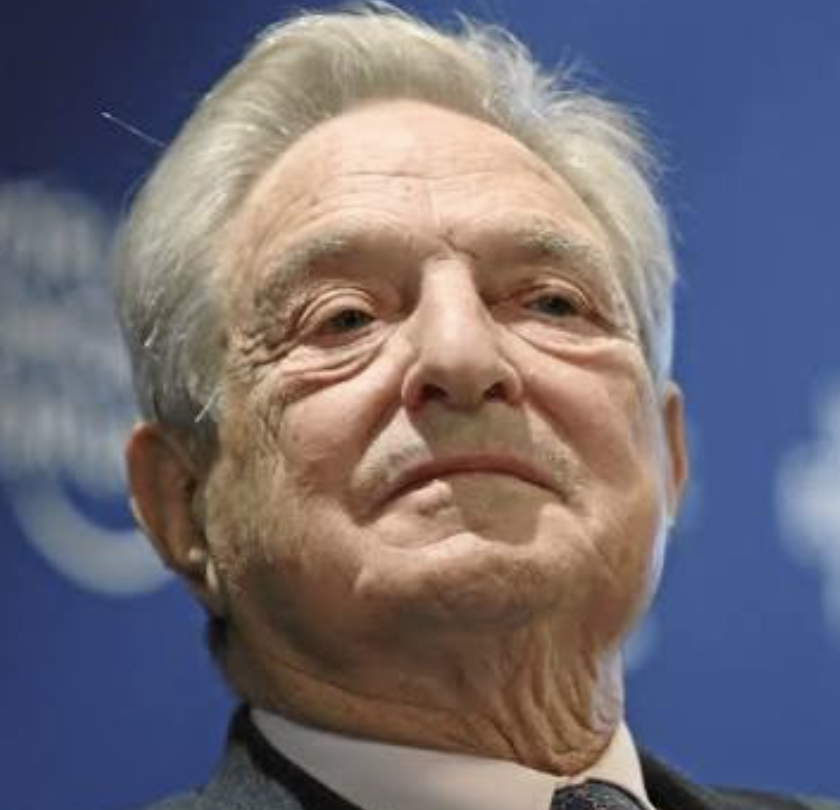
📖出自《索罗斯谈索罗斯》(1995)
重要的不是你做对或做错了,而是你做对时赚了多少,做错时亏了多少。
It's not whether you're right or wrong that's important, but how much money you make when you're right and how much you lose when you're wrong.
这句话究竟在说什么
乔治·索罗斯用一句话点破:保持开放,随时修正自己的观点。结合“重要的不是你做对或做错了,而是你做对…”,这正是他“反身性与试错”的落地——市场由参与者偏见驱动,价格与基本面相互反射,趋势自我强化至反转。
给普通投资者的可执行清单
一个真实故事 / 场景化情节
回到“重要的不是你做对或做错了,而是你做对…”——1992 年做空英镑(黑色星期三),押注英国维持汇率失败,单日获利超十亿美元。
这句话在该大师思想体系里的位置
在乔治·索罗斯的体系里,这句话属于“反身性与试错”:不恋战,认错比证明自己对更重要。
如果你不感到担忧,你担忧得还不够;如果你过于担忧,你就做不成任何事。
If you're not worried, you need to worry — and if you're worried, you don't need to worry.
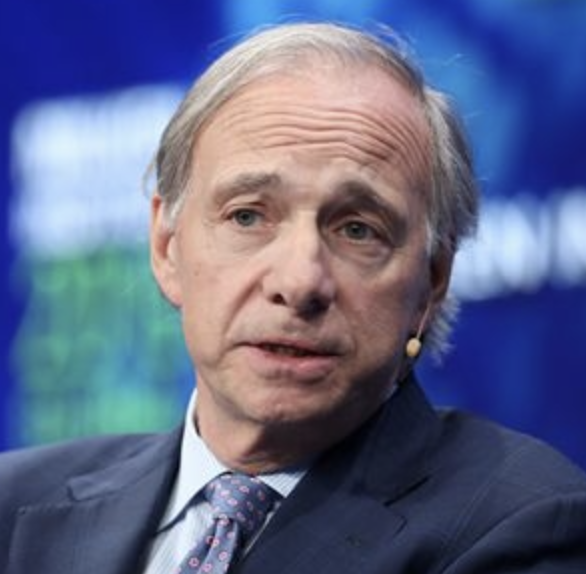
我宁愿因为太懒而失去机会,也不愿因为太勤快而犯错。
I'd rather miss opportunities from laziness than make mistakes from overactivity.
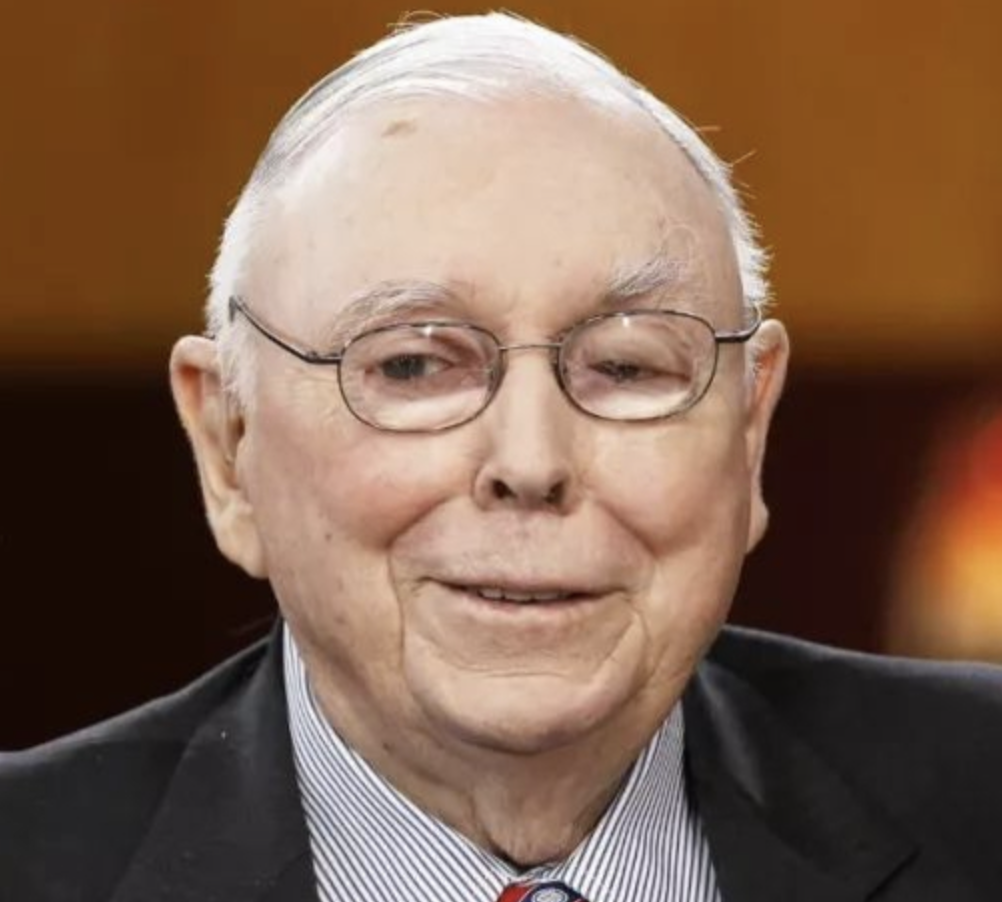
选择冒险通常都会失败。
Going for the 'adventure' usually ends in failure.

价值投资不是买便宜的东西,而是买那些价格远低于内在价值的东西——而内在价值本身也是不确定的。
Value investing isn't about buying cheap things; it's about buying things for less than they're worth. And intrinsic value itself is uncertain.