“
投资的本质不是预测未来,而是为不确定的未来做准备。
Investing is the discipline of relative selection. It is about the process of identifying undervalued securities, not forecasting the future.
📖出自《《安全边际》》(1991)
投资的本质不是预测未来,而是为不确定的未来做准备。
Investing is the discipline of relative selection. It is about the process of identifying undervalued securities, not forecasting the future.
这句话究竟在说什么
卡拉曼把投资的核心从预测转向了准备。大多数投资者把大量时间花在“明年经济增速会是多少”“美联储下次加息几个基点”这类预测上——但这些预测的准确率低下且不可靠。卡拉曼的方法完全不同:他不预测未来,他只问“如果发生最坏的情况,我的投资会怎样”。通过要求足够的安全边际、保持充足的现金、购买有硬资产支撑的证券,他的组合天然对各种未来情景具有韧性。未来不可预测,但应对未来的方案可以设计——这就是他管理的基金为什么能在40年间穿越每一次熊市。
给普通投资者的可执行清单
一个真实故事 / 场景化情节
2020年3月新冠疫情引发全球市场恐慌,标普500在短短23个交易日内下跌了34%,创下历史上最快的熊市。卡拉曼在2019年底的鲍波斯特基金现金比例约为30%,他并不是预测到了疫情——没有人能预测到——而是他始终保持着“随时准备应对极端情况”的状态。当3月市场崩盘时,鲍波斯特有充足的弹药。基金在3月中旬到4月初的几周内投入了数十亿美元,购买因流动性恐慌而被错杀的优质资产。到2020年底,鲍波斯特获得了超过20%的年回报,远超市场平均水平。卡拉曼在年度信中写道:“我们的优势不在于预测到了疫情,而在于我们一直为'不知道会发生什么'做好了准备。”
这句话在该大师思想体系里的位置
达里奥:“**不要浪费时间预测未来,把时间花在构建一个在任何未来中都能生存的组合上。**”
大多数投资者主要关注回报,但对风险的关注远比回报重要。
Most investors are primarily oriented toward return, but a focus on risk is far more important.
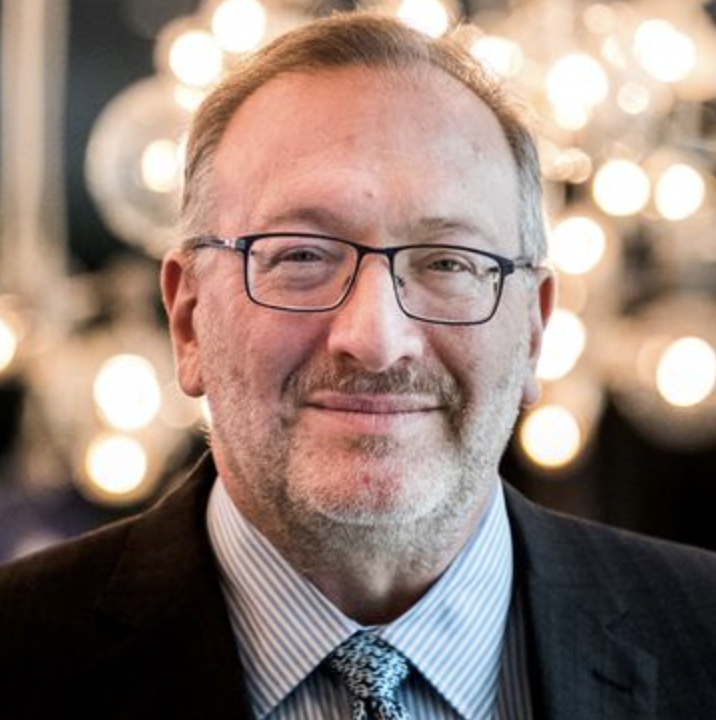
多数投资者只盯着能赚多少的回报,却很少关注风险。
Most investors are primarily oriented toward return, how much they can make, and pay little attention to risk.
我是一个糟糕的交易员——总是在趋势确认之前进场。但我是一个好投资人——因为砍仓够快。
I'm a lousy trader because I enter before trend confirmation, but a good investor because I cut losses immediately.
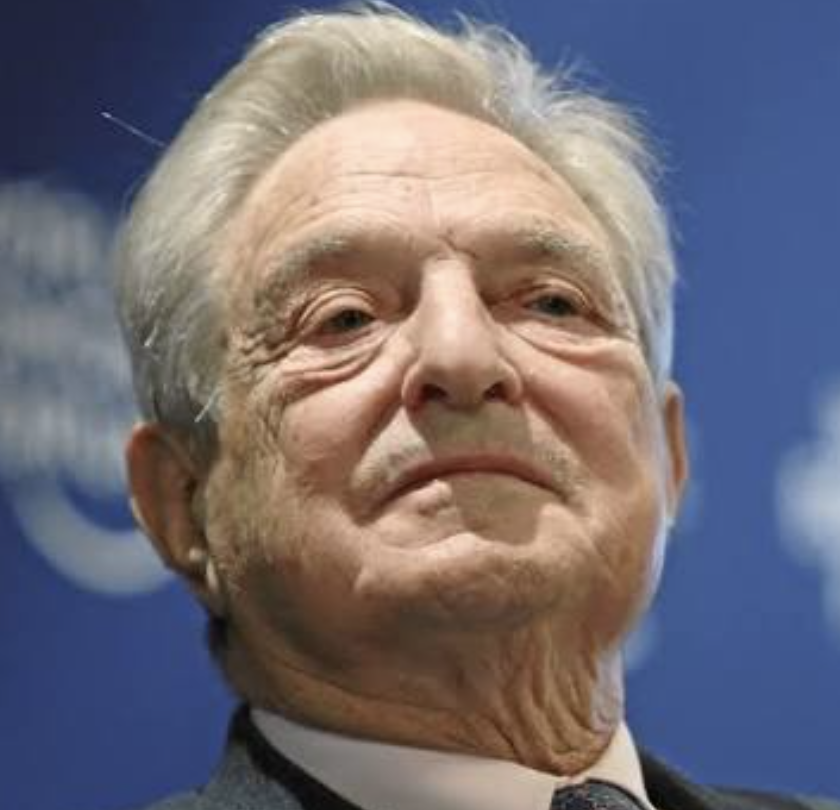
我们在所做的一切里都坚持安全边际。
We insist on a margin of safety in everything we do.