“
当一个行业“热得发烫”的时候,最好冷一下。真正的好机会从来不在聚光灯下,而在“阴影里”。
The hottest sectors are rarely where you find the best long-term investments. Look where others aren't looking.
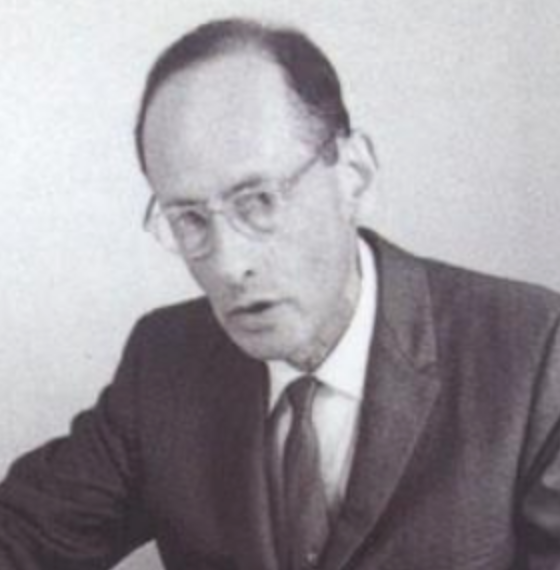
📖出自《《怎样选择成长股》》(1958)
当一个行业“热得发烫”的时候,最好冷一下。真正的好机会从来不在聚光灯下,而在“阴影里”。
The hottest sectors are rarely where you find the best long-term investments. Look where others aren't looking.
这句话究竟在说什么
费雪有一种自然逆势的本能:“当华尔街把聚光灯打在某一个行业上时,他自动把头转向聚光灯以外的地方”。因为聚光灯意味着高关注度、高估值、高预期——这三个高加在一起,即使公司真的表现不错,股价也很难给你惊喜。相反,聚光灯之外的地方——一个不起眼的细分领域、一家小而美的利基公司——往往能以极低的估值提供极高的长期回报。费雪说,“最优秀的成长股投资者就像是摄影师,他们不是在正午烈日下拍照,而是在黄昏和黎明——光最柔和、能见度最差的时候——就已经扛起相机了。”
给普通投资者的可执行清单
一个真实故事 / 场景化情节
1960年代,电子热席卷华尔街,凡是名字里带tronics的股票都能暴涨。费雪却在这段时期把目光投向了食品加工业和特种化工——两个在当时无聊到让人打哈欠的行业。他在食品加工领域发现了一家叫Universal Foods的公司(后来改名Sensient Technologies),做食品色素和香精——小众、不性感、没人关注。但这家公司拥有强大的客户粘性(食品公司不会轻易换色素供应商)和稳定的增长。费雪持有这家公司多年,获得了数倍回报。而当1969-1970年电子股泡沫破裂、那些tronics公司跌去90%时,费雪的组合安然无恙。
这句话在该大师思想体系里的位置
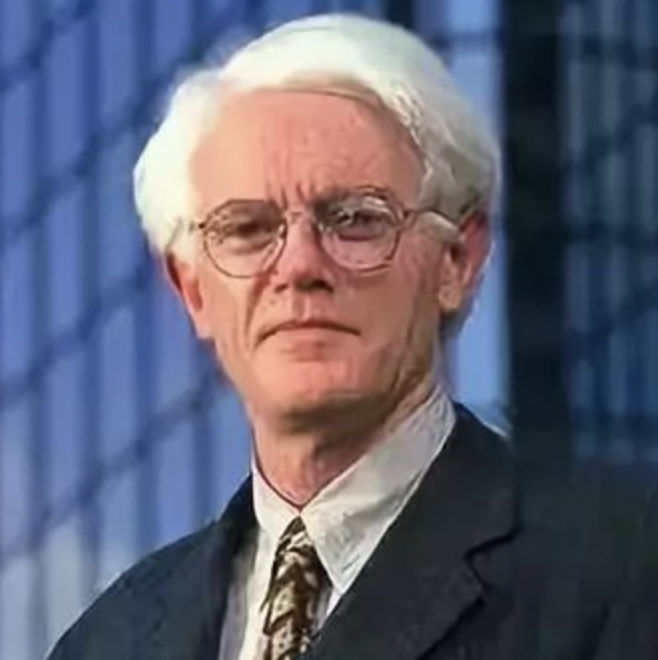
林奇:“**无聊的公司、无聊的名字、无聊的业务——这些通常是最好的投资。**”
我只想知道我会死在哪里,这样我就永远不去那儿。
All I want to know is where I'm going to die, so I'll never go there.

如果我知道我会死在哪里,我就永远不会去那里。
All I want to know is where I'm going to die, so I'll never go there.
第二层次思维者要考虑的远比第一层次思维者多得多。
Second-level thinking is deep, complex and convoluted.

不要因为别人都在买就跟着买,要有独立判断。
Do not buy just because everyone else is buying; have independent judgment.