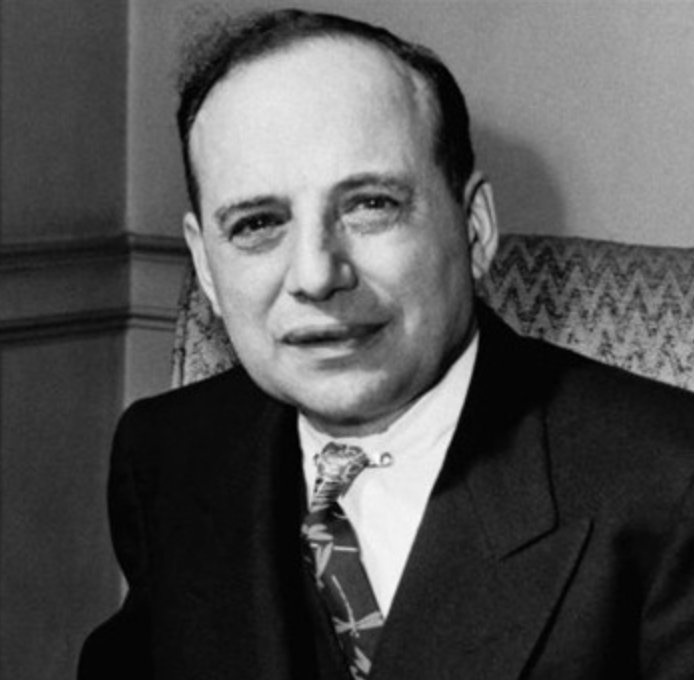
“
我从不根据预感做交易,我根据市场信号做交易。
I never trade on hunches; I trade on market signals.
📖出自《金融炼金术》(1987)
我从不根据预感做交易,我根据市场信号做交易。
I never trade on hunches; I trade on market signals.
这句话究竟在说什么
乔治·索罗斯用一句话点破:别被希望与恐惧支配交易。结合“我从不根据预感做交易,我根据市场信号…”,这正是他“反身性与试错”的落地——市场由参与者偏见驱动,价格与基本面相互反射,趋势自我强化至反转。
给普通投资者的可执行清单
一个真实故事 / 场景化情节
回到“我从不根据预感做交易,我根据市场信号…”——1992 年做空英镑(黑色星期三),押注英国维持汇率失败,单日获利超十亿美元。
这句话在该大师思想体系里的位置
在乔治·索罗斯的体系里,这句话属于“反身性与试错”:不恋战,认错比证明自己对更重要。
成功的投资不是靠预测未来,而是靠识别当下的错误定价——当市场因为恐惧或贪婪而偏离理性时,就是你的机会。
Successful investing is not about predicting the future, but identifying mispricing in the present — when fear or greed pushes the market away from rationality.
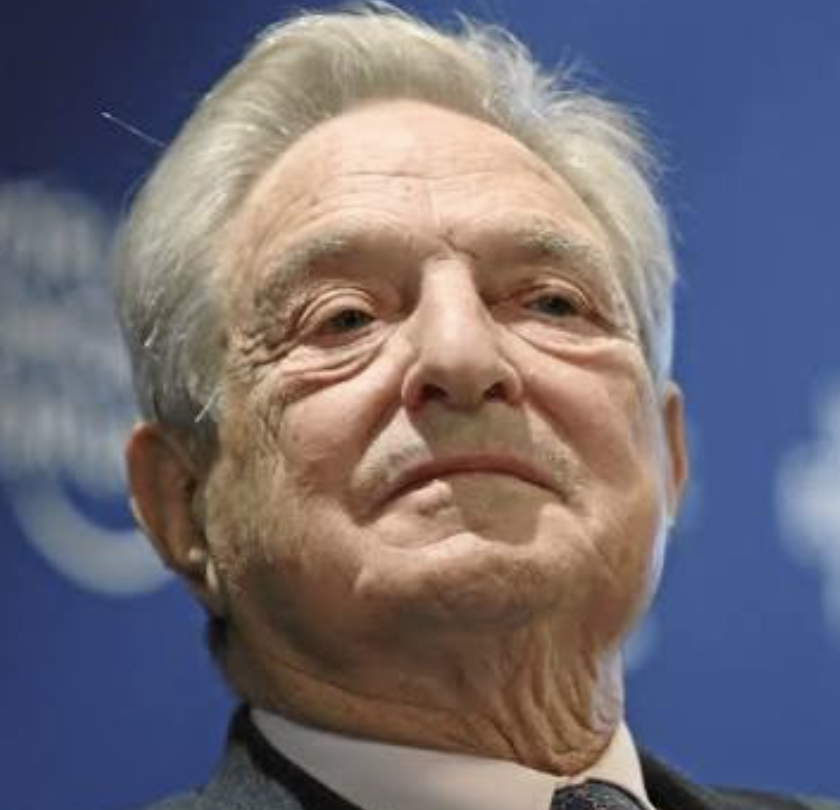
投资的本质是获得经济增长带来的收益。
The essence of investing is to obtain returns from economic growth.
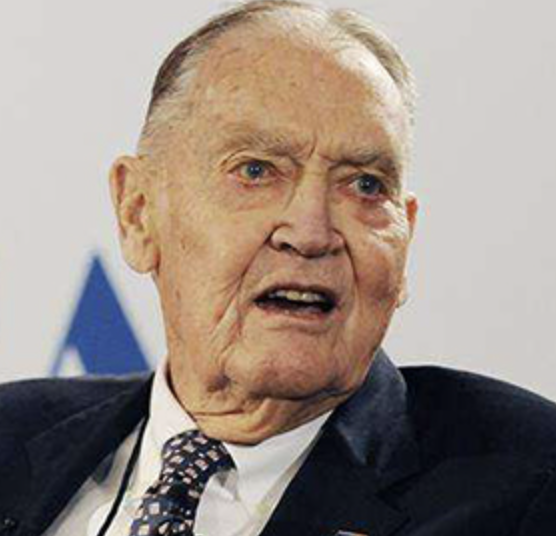
交易的艺术在于知道什么时候持有,什么时候卖出。
The art of trading is knowing when to hold and when to sell.
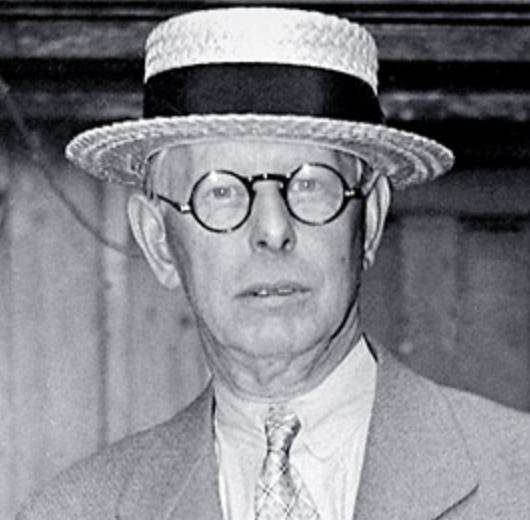
股票市场短期是投票机,长期是称重机,最终会反映公司的内在价值。
In the short run the market is a voting machine, in the long run a weighing machine. It will ultimately reflect the intrinsic value of companies.