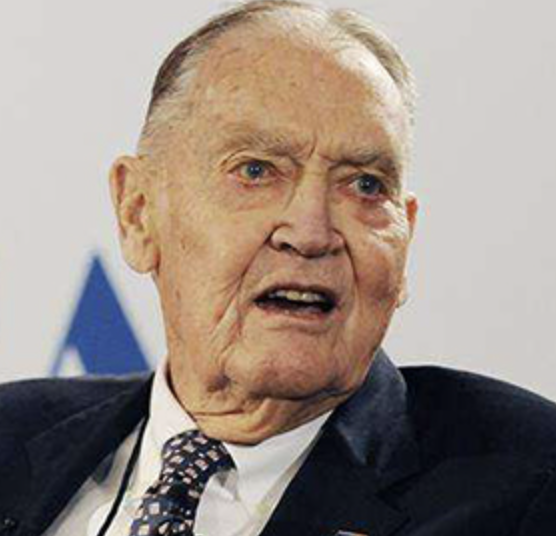
约翰·博格
John Bogle先锋集团创始人,指数基金的发明者和推广者。毕生倡导低成本被动投资,认为大多数主动管理基金无法长期战胜市场。其理念惠及数亿普通投资者。
经典名言
共 216 条名言
不要在干草堆中找针,把整个干草堆买下来。
Don't look for the needle in the haystack. Just buy the haystack!
时间是你的朋友,冲动是你的敌人。
Time is your friend; impulse is your enemy.
不要在干草堆中找针,把整个干草堆买下来。
Don't look for the needle in the haystack. Just buy the haystack!
时间是你的朋友,冲动是你的敌人。
Time is your friend; impulse is your enemy.
复利的魔力和高成本的暴政:投资的全部就是这两件事。
The miracle of compounding returns is overwhelmed by the tyranny of compounding costs.
别在干草堆里找针,直接把整个干草堆买下来!
Don't look for the needle in the haystack. Just buy the haystack!
股市是投资事业的巨大干扰器。
The stock market is a giant distraction to the business of investing.
一个好计划最大的敌人,是对完美计划的幻想。
The greatest enemy of a good plan is the dream of a perfect plan.
坚持到底。无论市场如何变化,不动摇是最难但最重要的投资纪律。
Stay the course. No matter what happens, stick to your program.
复利收益的奇迹,会被复利成本的暴政所淹没。
The miracle of compounding returns is overwhelmed by the tyranny of compounding costs.
在投资这场游戏中,你唯一能百分之百控制的因素就是成本。
In the investment game, the one factor you can control is cost.
指数基金不是最佳的投资方式,但它是'最不差'的方式——对于绝大多数人来说,这已经足够了。
Index funds are not the best investment strategy, but they are the least bad — and for most people, that's good enough.
金融行业赚走的每一分钱,都是从投资者口袋里掏走的。
Every dollar the financial industry takes is a dollar out of investors' pockets.
当市场剧烈波动让你感到恐惧时,最好的应对策略往往是什么都不要做。
When the market fluctuates wildly and fear sets in, the best strategy is often to do nothing.
投资的全部精髓就是:买下整个市场,然后坚持持有,直到你需要用钱的那一天。
The essence of investing is: own the entire market, hold on, and stay the course.
不要在草垛里找针,直接买下整个草垛。
Don't look for the needle in the haystack. Just buy the haystack.
在投资中,你得到的不是你想要的,而是你值得的。
In investing, you get what you don't pay for. You get what you deserve.
投资的终极真理:成本决定回报。费用越低,你留下的越多。
The ultimate truth of investing: costs determine returns. The lower the fees, the more you keep.
坚持到底是最重要的投资策略,比任何聪明的择时或选股都更有效。
Stay the course is the most important investment strategy, more effective than any clever timing or stock selection.
投资者最大的错误是试图从最近的趋势推断未来,而不是理解真正驱动长期回报的因素。
The greatest mistake investors make is trying to extrapolate the future from recent trends, rather than understanding what truly drives long-term returns.
不要寻找 needles in a haystack,直接买下 haystack。指数基金让你拥有整个市场,而不必追逐个股。
Don't look for the needle in the haystack. Just buy the haystack. Index funds let you own the whole market without chasing individual stocks.
成本是投资回报的最大敌人。每一分费用都在吞噬你的收益,降低成本是最确定的致胜之道。
Costs are the biggest enemy of investment returns. Every penny of expense eats your gains; lowering costs is the surest path to victory.
时间是你的朋友,冲动是你的敌人。长期持有指数基金,让复利的力量为你工作。
Time is your friend, impulse is your enemy. Hold index funds long-term and let the power of compounding work for you.
主动管理基金在长期中几乎不可能战胜市场。数据告诉我们,指数投资才是理性选择。
Actively managed funds almost never beat the market over the long term. Data tells us that indexing is the rational choice.
坚持简单策略:广泛分散、最低成本、长期持有。复杂往往意味着更多费用和更多风险。
Stick to simple strategies: broad diversification, minimal cost, long-term holding. Complexity usually means more fees and more risk.
不要寻找星星,寻找针。在指数基金中,你得到市场的平均回报,但这已经比大多数主动投资者好了。
Don't look for the needle in the haystack. Just buy the haystack! In index funds, you get the market's average return, which is better than most active investors.
投资最简单的策略就是买入并持有全市场指数基金。这打败了90%的投资者。
The simplest investment strategy is to buy and hold a total market index fund. That beats 90% of investors.
成本是投资的终极敌人。基金费用哪怕只差1%,几十年复利下来差距惊人。
Costs are the ultimate enemy of investing. A mere 1% difference in fund fees produces an astonishing gap over decades of compounding.
市场回报减去成本等于投资者回报。成本越高,你的实际收益就越低。这是铁律。
Market return minus costs equals investor return. The higher the costs, the lower your actual returns. This is an iron law.
永远不要投资你无法理解的业务。投资的第一条规则是不要亏钱,第二条规则是永远不要忘记第一条。
Never invest in a business you cannot understand. Rule No.1: Never lose money. Rule No.2: Never forget Rule No.1.
投资的全部秘密只有两个词:低成本和长期持有。其他的都是噪音——而且是昂贵的噪音。
The entire secret of investing is just two words: low cost and long-term. Everything else is noise — expensive noise.
投资不是关于在市场中'击败别人',而是关于'不打败自己'。大多数投资者的亏损,都源于自己的频繁交易和追涨杀跌。
Investing is not about beating others in the market, but about not beating yourself. Most investors' losses come from their own frequent trading and emotional decisions.
当你买下一只指数基金,你就等于雇佣了整个美国企业界为你工作——你不需要挑选谁是最好的员工,你拥有整个公司。
When you buy an index fund, you're hiring the entire corporate sector to work for you. You don't need to pick the best employees — you own the whole company.
今天的一笔费用看起来不多,但经过30年的复利,它会吃掉你三分之一以上的最终财富。
A fee may look small today, but compounded over 30 years, it will eat up over a third of your final wealth.
当市场出现危机、所有人都在恐慌出逃时,关闭你的交易软件。你不需要做什么,你只需要不做什么。
When the market is in crisis and everyone is panicking, close your trading app. You don't need to do anything — you just need to not do anything.
不要在干草堆里找针,直接买下整个干草堆!
Don't look for the needle in the haystack. Just buy the haystack!
投资中残酷的讽刺是:我们投资者作为一个整体,得到的回报恰好是扣除费用之后的市场回报——不多不少。
坚持到底,保持航向。
Stay the course.
投资的四个维度:回报、风险、成本、时间。大多数投资者只看第一个。
投资成功的秘诀是:当市场急跌时,无视恐慌的声音,继续定投。
费用是投资收益的隐形杀手。你在基金上支付的成本,最终都是从你自己的口袋里掏出来的。
The magic of compounding returns is overwhelmed by the tyranny of compounding costs.
投资中最简单的事就是什么也不做。投资中最难的事也是什么也不做。
The great thing about indexing is that it works by doing virtually nothing. The great curse is that it works by doing virtually nothing.
你投资的是企业的未来收益,而不是市场的情绪波动。
Stock returns are driven by investment return — dividend yield and earnings growth — and speculative return.
简单是一种被严重低估的投资优势。越复杂的策略,失败的方式就越多。
Simplicity is the master key to financial success. When there are multiple solutions to a problem, choose the simplest one.
在投资中,时间是你的朋友,冲动是你的敌人。大多数投资损失不是因为判断错误,而是因为在不该行动的时候行动了。
In investing, time is your friend, impulse is your enemy. Most investment losses come not from bad judgment, but from acting when you shouldn't have acted.
投资的四个维度是回报、风险、成本和时间。令人惊讶的是,绝大多数投资者只关注第一个维度。
The four dimensions of investing are return, risk, cost, and time. Remarkably, the vast majority of investors focus only on the first one.
如果你整天盯着市场报价,你几乎一定会做出糟糕的决策。短期的噪音会淹没有价值的长期信号。
If you watch the market tick by tick, you are almost guaranteed to make bad decisions. Short-term noise drowns out valuable long-term signals.
投资成功最重要的不是智商,而是性格——一种让你能够在别人恐慌时不恐慌、在别人贪婪时不贪婪的性格。
The most important quality for investment success is not IQ, but temperament — the ability to not panic when others panic, and not get greedy when others get greedy.
整个基金行业的结构性问题在于:基金经理通过管理别人的钱变得富有,而投资者承担了全部的风险和大部分的费用。
The structural problem of the entire fund industry is this: fund managers get rich by managing other people's money, while investors bear all the risk and most of the costs.
对于大多数投资者来说,指数基金是唯一理性的投资选择。
For most investors, index funds are the only rational investment choice.
不要试图战胜市场,市场就是市场。
Do not try to beat the market; the market is the market.
低成本是决定基金长期回报的关键因素。
Low cost is the key factor determining long-term fund returns.
时间是你最大的敌人,也是你最大的朋友。
Time is your greatest enemy, and also your greatest friend.
基金行业的商业模式是建立在投资者亏钱的基础上的。
The mutual fund industry business model is built on investors losing money.
如果你不能控制成本,你就不能控制回报。
If you cannot control costs, you cannot control returns.
在投资的游戏中,成本是确定的,回报是不确定的。
In the investment game, costs are certain, returns are uncertain.
指数基金的革命性在于它承认你无法战胜市场。
The revolution of index funds lies in its acknowledgment that you cannot beat the market.
基金持有人的最大敌人是基金业本身。
The biggest enemy of fund holders is the fund industry itself.
选择一个低成本指数基金,然后坚持到底。
Choose a low-cost index fund and stick with it.
投资的回报来自于经济增长和企业盈利,而不是基金经理的能力。
Investment returns come from economic growth and corporate earnings, not from fund managers abilities.
在长期投资中,成本的重要性超过了一切。
In long-term investing, the importance of costs exceeds everything.
主动管理基金的失败是系统性、结构性的,不是偶然的。
The failure of active fund management is systemic and structural, not accidental.
不要相信那些声称能够战胜市场的基金经理。
Do not believe fund managers who claim they can beat the market.
指数基金让普通投资者能够以低成本获得市场回报。
Index funds allow ordinary investors to get market returns at low cost.
在投资中,简单是最好的策略。
In investing, simplicity is the best strategy.
投资的真谛是承担市场风险,获得市场回报。
The essence of investing is taking market risk to get market returns.
不要试图在时机的选择上浪费时间,没有人有这个能力。
Do not waste time trying to time the market; no one has that ability.
基金行业的营销部门往往比投资部门更强大。
The mutual fund industry marketing department is often more powerful than the investment department.
在一个竞争激烈的市场中,战胜市场是不可能的。
In a highly competitive market, beating the market is impossible.
投资者应该专注于降低投资成本,而不是寻找更好的投资机会。
Investors should focus on reducing investment costs, not on finding better investment opportunities.
指数基金是民主化投资的工具。
Index funds are tools for democratizing investing.
大多数投资者应该投资债券和股票指数基金。
Most investors should invest in bond and stock index funds.
投资的四定律:低成本、分散投资、定期定投、长期持有。
The four laws of investing: low cost, diversification, dollar-cost averaging, long-term holding.
在一个完全有效的市场中,指数基金是最优选择。
In a perfectly efficient market, index funds are the optimal choice.
投资者应该抵制住追逐热门基金的诱惑。
Investors should resist the temptation to chase hot funds.
长期来看,主动管理基金几乎总是输给被动指数基金。
In the long run, active funds almost always lose to passive index funds.
不要被基金的过去业绩所迷惑。
Do not be fooled by a funds past performance.
投资回报等于市场回报减去成本。
Investment return equals market return minus cost.
投资者应该把注意力放在长期目标上,而不是短期波动。
Investors should focus on long-term goals, not short-term fluctuations.
复利的力量是惊人的,但成本会侵蚀大部分收益。
The power of compounding is amazing, but costs erode most of the gains.
低成本是投资者唯一可以控制的变量。
Low cost is the only variable that investors can control.
基金行业的秘密是:它为投资者创造的价值远低于它收取的费用。
The mutual fund industry secret is: it creates far less value for investors than the fees it charges.
在投资中,简单的解决方案往往比复杂的更好。
In investing, simple solutions are often better than complex ones.
投资者应该避免那些高换手率的基金。
Investors should avoid funds with high turnover rates.
指数化投资是长期投资成功的秘诀。
Index investing is the secret to long-term investment success.
不要相信那些声称能够预测市场的顾问。
Do not believe advisors who claim to be able to predict the market.
投资者应该把时间和精力放在资产配置上,而不是选择基金上。
Investors should focus their time and energy on asset allocation, not on fund selection.
低成本指数基金是大多数投资者最好的选择。
Low-cost index funds are the best choice for most investors.
在投资中,耐心和纪律是成功的关键。
In investing, patience and discipline are the keys to success.
基金行业收取的费用远超过它提供的价值。
The mutual fund industry charges far more than the value it provides.
投资者应该相信市场,而不是相信基金经理。
Investors should believe in the market, not in fund managers.
在一个竞争激烈的市场中,低成本是唯一的优势。
In a competitive market, low cost is the only advantage.
指数基金让投资变得简单、便宜、有效。
Index funds make investing simple, cheap, and efficient.
投资者应该避免追逐过去业绩最好的基金。
Investors should avoid chasing funds with the best past performance.
在长期投资中,成本比时机更重要。
In long-term investing, cost is more important than timing.
被动投资是长期投资成功的最佳策略。
Passive investing is the best strategy for long-term investment success.
不要被花哨的投资策略所迷惑,简单往往更好。
Do not be fooled by fancy investment strategies; simple is often better.
投资的本质是获得经济增长带来的收益。
The essence of investing is to obtain returns from economic growth.
指数基金是投资民主化的最大成就。
Index funds are the greatest achievement of investment democratization.
投资简单,但并不容易。
Investing is simple, but not easy.
在投资中,你得到的是你没有付出的代价。
In investing, you get what you don't pay for.
不要让完美的投资计划成为良好计划的敌人。
Don't let the perfect be the enemy of the good.
复利是世界的第八大奇迹。懂的人赚取它,不懂的人支付它。
Compound interest is the eighth wonder of the world. He who understands it, earns it; he who doesn't, pays it.
投资的四个维度——回报、风险、成本和时间——只有成本是你可以完全控制的。
Of the four dimensions of investing — return, risk, cost, and time — cost is the only one you can fully control.
在投资中,你得到了你没有付出的东西——这就是复利的魔力。但你也付出了你没有得到的东西——这就是成本的地狱。
In investing, you get what you don't pay for — that's the magic of compounding. But you also pay for what you don't get — that's the hell of costs.
市场收益是免费的午餐,但想通过择时来吃得更多,大多数人反而连免费的午餐都丢了。
Market returns are a free lunch, but by trying to time the market to eat more, most people end up losing even the free lunch.
金融世界在变得越来越复杂,但智慧的世界在变得越来越简单。
The financial world is getting more complex, but the world of wisdom is getting simpler.
金融服务业每年从美国投资者口袋里拿走了大约5000亿美元——这不是服务的价格而是财富转移的规模。
The financial services industry takes roughly 500 billion dollars from American investors' pockets every year — that's not the price of service, that's the scale of wealth transfer.
投资成功的概率和你做交易的频率成反比。交易越少成功的概率越大。
The probability of investment success is inversely proportional to the frequency of your trading. The fewer trades you make, the higher your probability of success.
你从投资中得到的回报是市场回报减去你支付的成本——但这个减法从来不是你想象的那个数字。
Your return from investing is the market return minus the costs you pay — but that subtraction is never the number you imagine.
如果你只买一只基金——买一只跟踪整个美国股市或其国际等价物的低成本指数基金就够了。你的工作到此结束。
If you buy only one fund, buy a low-cost index fund that tracks the entire U.S. stock market or its international equivalent. Your job is done.
过去五十年来我没有见过任何人能持续准确地预测市场——但我见过成千上万的人因为尝试预测市场而赔了钱。
In the past fifty years, I haven't seen anyone who could consistently predict the market accurately — but I've seen thousands who lost money trying.
不要寻找黑马,依靠整体市场。
Don't look for the needle in the haystack. Just buy the haystack.
别在干草堆里找针——直接把整个干草堆买下来!指数基金不是'次优选择',它是大多数投资者能做出的最优选择。
时间是你的朋友,冲动是你的敌人。利用复利的奇迹,不要被市场的噪音打乱节奏。
投机者的数学期望值是亏损。这不是观点,而是数学——扣除费用、税收和交易成本后,所有投机者的总和必然是负和游戏。
在投资中,你得到的是你没有为之付钱的东西。费用的每一分钱,都是你未来收益的永久扣除。低成本才是你在市场中能找到的最可靠的'阿尔法'。
投资的秘诀就在于——根本没有秘诀。当有人告诉你有一个稳赚不赔的公式时,把你的钱包捂紧然后走开。
不要玩失败者的游戏。
Don't play the loser's game.
投资者的最大敌人往往是他们自己。
The greatest enemy of the investor is most often himself.
投资中你唯一能控制的东西,就是成本。你控制不了市场回报,但你绝对可以控制你支付的手续费、管理费和税费。
在投资中,奥卡姆剃刀同样适用:简单的解决方案往往是最好的。
复利是世界的第八大奇迹。懂得它的人赚到钱,不懂的人为它买单。
投资的第一条原则是不要亏钱。第二条原则是不要忘记第一条。这不是我说的,但我一生都在遵守。
别在草堆里找针,买下整个草堆。
Don't look for the needle in the haystack. Just buy the haystack.
当我们把指数基金的收益和主动基金的收益对比时,真相很简单:指数基金拿到的是市场回报减去极低的费用,而主动基金拿到的是市场回报减去极高的费用。
When we compare index fund returns with active fund returns, the truth is simple: the index fund gets the market return minus very low costs, while the active fund gets the market return minus very high costs.
衡量财富的真正标准不是你的账户余额,而是你的生活方式。如果你已经在过你想要的生活,你就是富有的。
The true measure of wealth is not your account balance but your lifestyle. If you're already living the life you want, you're wealthy.
美国股市的长期真实回报大约是每年7%。任何向你承诺 15% 年化回报的人,要么是骗子,要么是无知的傻瓜。
The long-term real return of U.S. stocks is about 7% per year. Anyone promising 15% annual returns is either a fraud or a fool.
在投资中,你获得的是你没有付出的部分。费用是唯一确定会发生的损失——你在投资之前就已经输了费用的那部分。
In investing, you get what you don't pay for. Costs are the only certain loss — you've already lost the cost portion before you even start investing.
当市场暴跌时,不要恐慌卖出。坚持定投。你在低价时买入的那些份额,将来会是你组合中回报最高的部分。
When the market plunges, don't panic-sell. Keep dollar-cost averaging. The shares you buy at low prices will become the highest-returning part of your portfolio.
时间是投资者的朋友,冲动是投资者的敌人。利用前者的复利效应,克制后者的破坏性冲动,这就是投资的全部智慧。
Time is your friend, impulse is your enemy.
别在草堆里找针,直接买下整个草堆。
Don't look for the needle in the haystack. Just buy the haystack.
“税收”可能是你投资生涯中最大的成本——大到足以吃掉你一半的回报。聪明人会让每一块钱的税都“花在刀刃上”。
Taxes are by far the largest expense you will ever incur in your investment lifetime.
“均值回归”是金融世界里最可靠的一条铁律。今天表现最好的,明天很可能就是表现最烂的。
Reverting to the mean is the most powerful law in financial physics. Today's winners are tomorrow's losers.
“基金赚的钱”和“基民赚的钱”是两码事。一只基金平均涨了10%,但它的持有者可能平均只赚了3%——因为他们在高点买、低点卖。
The gap between fund returns and investor returns is a wealth-destroying chasm caused by bad timing decisions.
投资越简单越好。“简单”不是简陋——它是把复杂问题“彻底想清楚之后”的产物。
Simplicity is the master key to financial success. When there are multiple solutions to a problem, choose the simplest one.
金融业最大的问题不是技术不行,而是“利益冲突”。当销售佣金决定了理财顾问推荐什么产品时,“你不可能是第一位的”。
The financial industry has a fundamental conflict of interest: the more it charges you, the more it earns, and the less you get.
成本是投资中最确定的敌人。
Costs are the most certain enemy of investment returns.
与其在干草堆里找一根针,不如直接买下整个干草堆。指数基金的本质逻辑就是这么简单——与其费力挑选能跑赢市场的股票,不如买下整个市场,享受经济发展的平均红利。
Instead of searching for a needle in a haystack, buy the whole haystack. That's the fundamental logic of index funds — instead of struggling to pick stocks that beat the market, own the entire market and enjoy the average dividend of economic progress.
复利是世界第八大奇迹。但大多数人低估了费率对复利的腐蚀作用——每年2%的成本,在50年的时间里会吃掉你超过60%的收益。成本就是复利的隐形杀手。
Compound interest is the eighth wonder of the world. But most people underestimate how fees erode compounding — a 2% annual cost over 50 years will eat up over 60% of your returns. Costs are the invisible killer of compounding.
基金报告的回报和基金投资者实际获得的回报之间,存在一个巨大的鸿沟。这个鸿沟叫‘投资者行为‘——在市场高涨时大举买入,在恐慌时割肉出逃。
There's a huge gap between the returns funds report and the returns investors actually earn. That gap is called 'investor behavior' — buying heavily when the market is euphoric and selling in panic when it crashes.
投资的成功不是靠做更多聪明的事,而是靠做更少的蠢事。简单往往比复杂更有效。一个好的投资策略应该简单到你可以在明信片的背面写完。
Investment success isn't about doing more smart things — it's about doing fewer dumb things. Simplicity is often more effective than complexity. A good investment strategy should be simple enough to fit on the back of a postcard.
在投资中,你唯一能确定的就是成本。你不能控制市场回报,不能控制利率,不能控制通货膨胀。但你可以控制你支付了多少管理费、交易费和税费,而这个控制足以改变你的一生。
In investing, the only thing you can be certain of is costs. You can't control market returns, interest rates, or inflation. But you can control how much you pay in management fees, trading costs, and taxes — and that control is enough to change your life.
不要在草堆里找那根针,直接把整个草堆买下来。
Don't look for the needle in the haystack. Just buy the haystack!
在投资中,你得到的正是你没有付出的那部分:成本越低,收益越高。
In investing, you get what you don't pay for. Costs matter.
股价的短期波动,噪音占九成,信息只占一成。
The stock market is a giant distraction from the business of investing.
不要寻找大海捞针,直接把整个大海买下来。
Don't look for the needle in the haystack. Just buy the haystack!
在投资中,你得到的正是你不付出的东西——成本越低,拿到的回报越多。
In investing, you get what you don't pay for. Costs matter enormously.
不要在草堆里找那根针,直接买下整个草堆。
Don't look for the needle in the haystack. Just buy the haystack.
在投资中,你得到的恰恰是你没有付出的那部分。
In investing, you get what you don't pay for.
别去大海里捞针了,直接把整片大海买下来。
Don't look for the needle in the haystack. Just buy the haystack.
在投资这门生意里,你得到的是你没有付出的那部分——成本每降低一分,收益就增加一分。
In investing, you get what you don't pay for.
在投资里,你不付钱的那些成本,恰恰是你得到的。
In investing, you get what you don't pay for.
在投资中,你得到的是你没有支付的那部分。
In investing, you get what you don't pay for.
投资股票的最佳方法,是购买一只费率低的指数基金。
The simplest way to invest in stocks is to buy a low-cost index fund.
不要在花园里寻找四叶草,而忘了欣赏满地的三叶草。
Don't look for the four-leaf clover in the garden; appreciate the three-leaf clovers that cover the ground.
你得到的是你未付出的。投资成本是回报的敌人。
You get what you don't pay for. Cost is the enemy of investment return.
时间是你最好的朋友,冲动是你最大的敌人。
Time is your friend; impulse is your enemy.
别在草堆里找那根针,直接把整捆草堆买下来。
Don't look for the needle in the haystack. Just buy the haystack.
关键是在市场里的时间,而不是择时。
Time in the market, not timing the market.
投资中你得到的,恰恰是你没付出的——成本越低,到手的越多。
In investing, you get what you don't pay for.
均值回归是股票市场的法则,正如万有引力是物理世界的法则。
Reversion to the mean is the rule of the stock market, as gravity is the rule of the physical world.
成本是共同基金表现最确定的预测指标——你付出的越多,留下的越少。
Cost is the surest predictor of mutual fund performance. The more you pay, the less you keep.
在投资中,你得到的是你没有付出的;你付出的是你没有得到的。
In investing, you get what you don't pay for. You pay for what you don't get.
别在草垛里找针,直接把整个草垛买下来。
Don't look for the needle in the haystack. Just buy the haystack.
你不需要频繁交易,你需要的是正确的交易。
指数基金是普通投资者最好的朋友。
The index fund is the best friend of the ordinary investor.
投资全关乎常识。
Investing is all about common sense.
复利回报的奇迹,会被复利成本的暴政所吞噬。
The miracle of compounding returns is overwhelmed by the tyranny of compounding costs.
别去猜市场,买下整个市场、低成本、然后别动。
Don't try to beat the market; own the whole market at low cost.
在投资里,你得到的是你没有付出的——成本越低,留给你的越多。
In investing, you get what you don't pay for.
股市是一台巨大的财富转移机器,把财富从缺乏耐心的人手中转移到有耐心的人手中。
The stock market is a giant wealth-transfer machine, moving wealth from the impatient to the patient.
理性投资者知道,对市场波动反应越多,收益就越少。
Rational investors know that the more you react to market fluctuations, the lower your returns.
关注股息收益和盈利增长,这才是真正赚钱的地方。
Focus on dividend yields and earnings growth — that's where the real money is made.
短期看情绪,中期看政策,长期看盈利。
In the short term, it's about sentiment; in the medium term, it's about policy; in the long term, it's about earnings.
如果你等到五十五岁才开始投资,你可能需要工作到八十岁。
If you wait until age 55 to start investing, you may have to work until you're 80.
成本是投资世界的万有引力,成本越低,你飞得越高。
Cost is the gravity of the investment world; the lower your costs, the higher you fly.
不要指望超额回报,要指望平均回报的复利力量。
Don't look for the needle. Buy the haystack. Rely on the miracle of compounding.
投资并非看上去那么难。成功投资就是几件正确的事加上避免严重错误。
Investing is not nearly as difficult as it looks. Successful investing involves doing a few things right and avoiding serious mistakes.
扣除成本之前,战胜市场是零和游戏;扣除成本之后,它是输家游戏。
Before costs, beating the market is a zero-sum game. After costs, it is a loser's game.
股市是投资真正事业的巨大干扰。
The stock market is a giant distraction to the business of investing.
财富的积累是迟缓的、乏味的、毫不戏剧性的事。
Wealth accumulation is a slow, boring and undramatic activity.
指数基金是历史上最伟大的金融创新之一。
The index fund is one of the greatest financial innovations in history.
在 99% 的情况下,长期投资会让你成为赢家。
Over the long term, owning stocks is the surest way to get rich.
投资的真正敌人不是市场,而是你自己。
The enemy of investment is not the market; it is yourself.
选择低成本基金能让一个普通投资者变成长期赢家。
Picking low-cost funds can make an ordinary investor a long-term winner.
如果你等到55岁才开始投资,你可能要工作到80岁。
If you wait until you're 55 to start investing, you'll probably have to work to 80.
指数基金对你而言就是最好的选择,前提是你能坚持长期持有。
永远不要忘记,复利不是孤立的数字,而是时间的礼赞。
Never forget: compounding is not a number, it is a hymn to time.
财富积累是一场马拉松,不是百米冲刺。
不要把鸡蛋放在太多的篮子里——但也绝不要把所有鸡蛋放在一个篮子里。
在投资中,做正确的事说起来容易,做起来难。
In investing, what is easy to do is also easy not to do.
别去找干草堆里的针,直接买下整个干草堆。
Don't look for the needle in the haystack. Just buy the haystack!
股市是个巨大的干扰,让人忘了投资这件事本身。
The stock market is a giant distraction from the business of investing.
别在干草堆里找针,直接买下整堆干草。
Don't look for the needle in the haystack. Just buy the haystack.
投资中,你得到的是你没付出的——成本越低,收益越高。
In investing, you get what you don't pay for.
股市是投资这项事业中一个巨大的干扰项。
The stock market is a giant distraction from the business of investing.
在投资中,你得到的,正是你没有付出的那些成本。
In investing, you get what you don't pay for.
别去挑选股票,直接买下整个市场。
Don't look for the needle in the haystack. Just buy the haystack.
别费心找针,直接买下整个草堆。
Don't look for the needle in the haystack. Just buy the haystack.
守住你的筹码,别被市场吓跑。
Stay the course.
别去干草堆里找那根针,直接把整个干草堆买下来。
Don't look for the needle in the haystack. Just buy the haystack.
坚持到底(Stay the course)。
Stay the course.
别在草堆里找针,直接买下整堆草。
Don't look for the needle in the haystack. Just buy the haystack.
投资市场的是时间,而不是择时。
It's time in the market, not timing the market.
股市是一个巨大的分心器。
The stock market is a giant distraction.
拥有一整个市场并长期持有,是赢家游戏;试图战胜市场,是输家游戏。
Owning the whole market long-term is a winner's game; beating it is a loser's game.
时间是朋友,冲动是敌人。
Time is your friend; impulse is your enemy.
拥有整个市场长期看是赢家游戏,试图战胜市场是输家游戏。
Owning the entire market for the long term is a winner's game; trying to beat it is a loser's game.
别瞎折腾,就站在那儿。
Don't do something, just stand there.
别去干草堆里找针,直接把整堆干草买下来!
Don't look for the needle in the haystack. Just buy the haystack!
股市是一台巨大的干扰机器。
The stock market is a giant distraction machine.
别做点什么,就站在那里。
Don't do something, just stand there.
在投资中,你不付出(成本),就能得到回报。
In investing, you get what you don't pay for.
在投资中,你得到的正是你没有付出的——成本越低,回报越高。
In investing, you get what you don't pay for.
留在市场里的时间,比试图择时重要得多。
Time in the market beats timing the market.