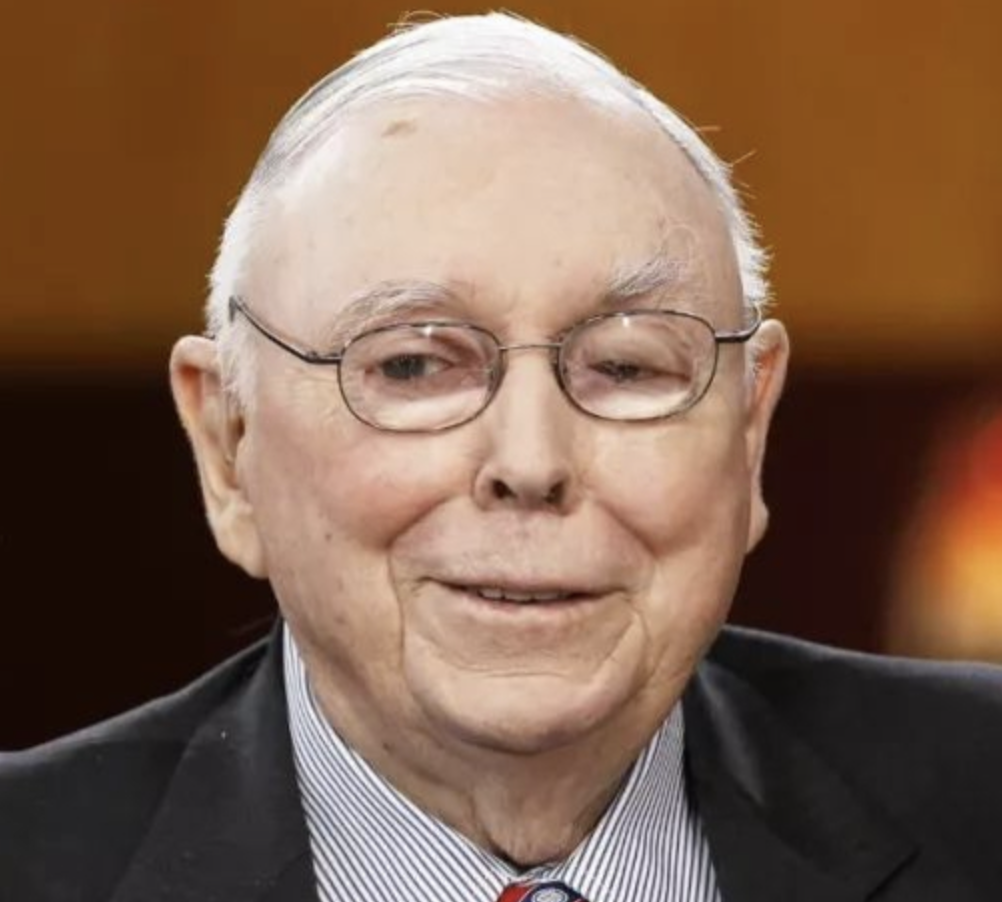
在周期的顶部,最容易做的事情往往最危险;在周期的底部,最不敢做的事情往往最有利可图。敢于逆势需要极大的勇气。
At the top of a cycle, the easiest things to do are the most dangerous. At the bottom, the hardest things to do are the most profitable. Contrarian courage is rare and valuable.
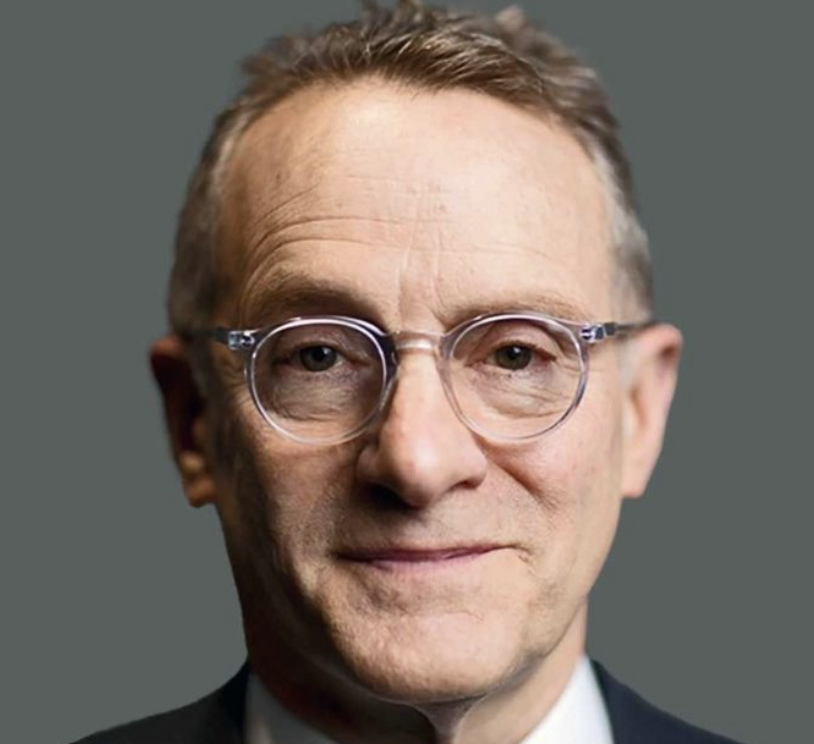
在周期的顶部,最容易做的事情往往最危险;在周期的底部,最不敢做的事情往往最有利可图。敢于逆势需要极大的勇气。
At the top of a cycle, the easiest things to do are the most dangerous. At the bottom, the hardest things to do are the most profitable. Contrarian courage is rare and valuable.
这句话究竟在说什么
马克斯完美描述了周期两端的心理不对称。在市场顶部,什么都涨,买什么都赚钱,恐慌地买入是“最容易”的事——因为人人都在做,做了不会显得傻。但恰恰在顶部买入也是“最危险”的事。在市场底部,到处都是坏消息,恐慌地卖出是“本能反应”,逆势买入需要巨大的勇气。周期底部的最好机会总是伴随着最深层的恐惧。马克斯指出,真正优秀的投资者不是靠预测周期赚钱,而是靠在周期的极端位置克服自己的从众心理。
给普通投资者的可执行清单
一个真实故事 / 场景化情节
2009年3月,美股市场处于极度恐慌中。标普500从2007年的高点下跌了57%,美国失业率攀升至8.5%且仍在上升,通用汽车和克莱斯勒濒临破产。整个市场的共识是“还会继续跌”。橡树资本在这个时候逆势而动,投入了约50亿美元购买市场上的不良债务和低价股票。马克斯后来在备忘录中写道:“2009年3月是我职业生涯中最恐惧也最应该感到贪婪的时刻。要在所有人都说“世界末日”的时候大量买入,你需要与自己的每一根神经做斗争。但这是投资中最能区分谁专业谁业余的时刻。”到2010年底,这些投资的价值翻了超过一倍。
这句话在该大师思想体系里的位置
巴菲特:“**在别人恐惧的时候贪婪,在别人贪婪的时候恐惧。**”
我建立桥水不是为了赚钱,而是为了理解经济运作的原理。
I built Bridgewater not to make money, but to understand how the economy works.
金融服务业每年从美国投资者口袋里拿走了大约5000亿美元——这不是服务的价格而是财富转移的规模。
The financial services industry takes roughly 500 billion dollars from American investors' pockets every year — that's not the price of service, that's the scale of wealth transfer.
投资者最大的悲剧不是不知道什么是好投资——而是知道什么是好投资但在它最便宜的时候不敢买。
The greatest tragedy for investors isn't not knowing what a good investment is — it's knowing what a good investment is but being too scared to buy it when it's cheapest.
不要让完美的投资计划成为良好计划的敌人。
Don't let the perfect be the enemy of the good.